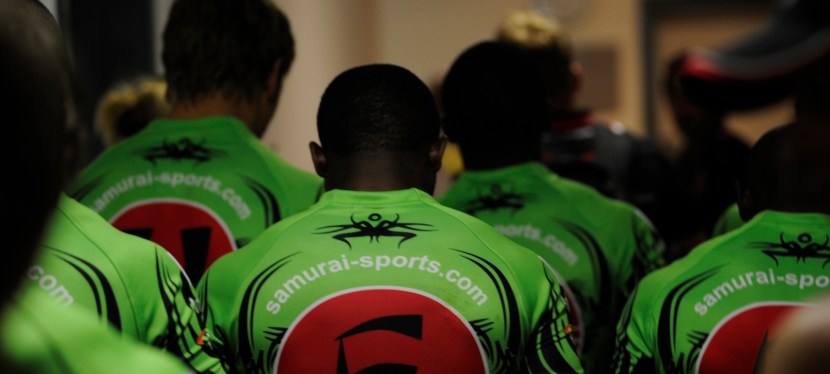
Samurai: Seventeen Years A Samurai

As the 2024 Melrose 7s approaches, I find myself reflecting on an incredible journey that began with a simple phone call in 2007. After seventeen years serving on the organizing committee of one of rugby’s most prestigious clubs, including my role as Operations Director, it’s time to pass on the jersey as Samurai transforms into Shogun Rugby.

The symmetry of seventeen years isn’t lost on me. It was always my chosen shirt number during my playing days – certainly not the most distinguished career, but one that led me to where I am today. Though I’m stepping back from operations, I’ll continue supporting the club as Vice President and fundraiser, roles that feel more crucial than ever during this transition.

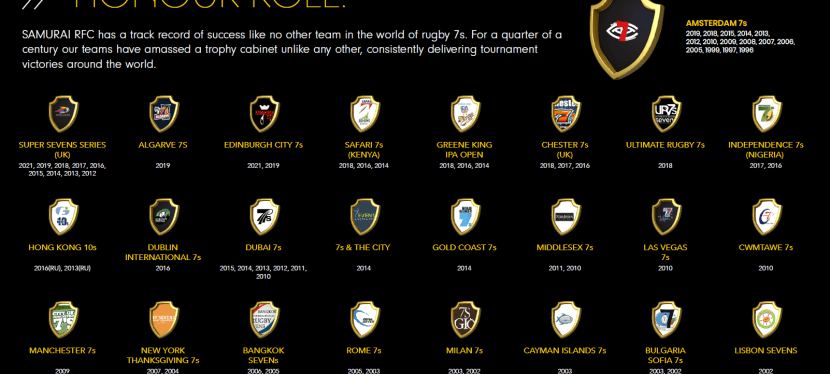
Terry Sands’ call in 2007 opened the door to an extraordinary privilege: working alongside the world’s finest sevens coaches and players. The club’s achievements during this period have been nothing short of remarkable, with tournament victories spanning six continents. From the electric atmosphere of the Dubai 7s to the historic grounds of Melrose, from the beaches of Punta Del Este to the heights of Hong Kong, we’ve left our mark on every corner of the rugby world.
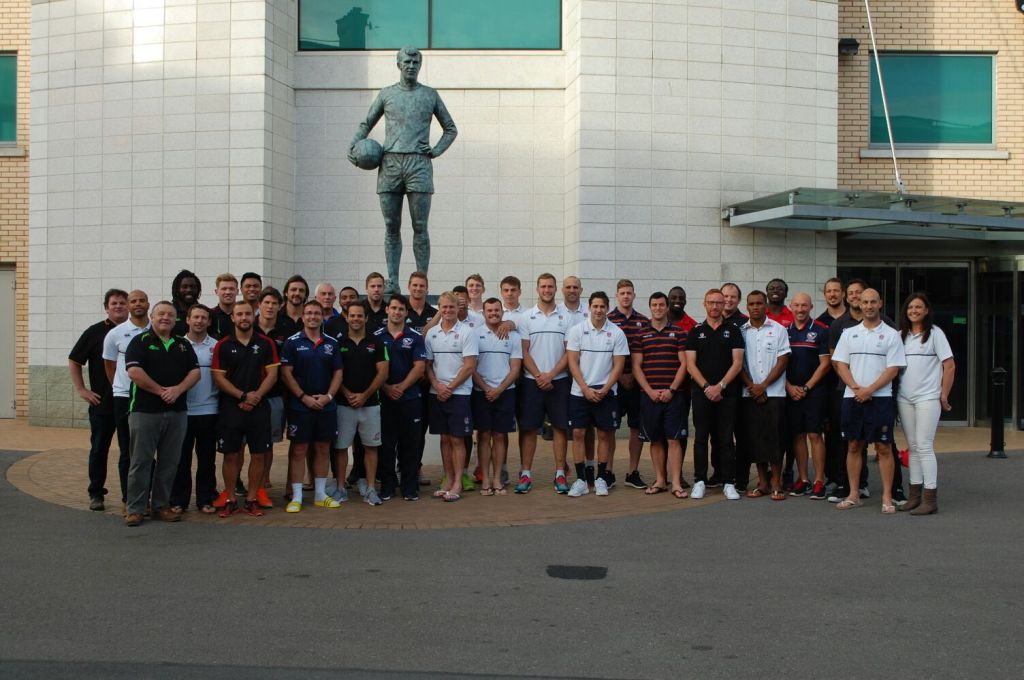
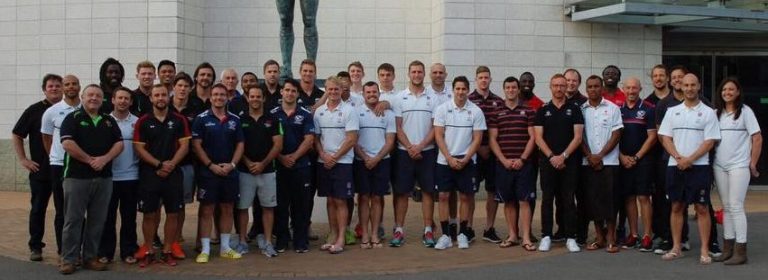
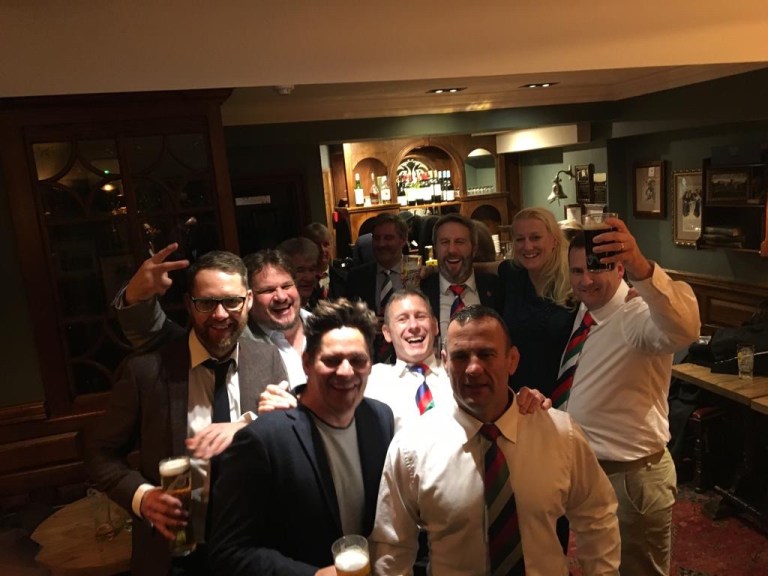
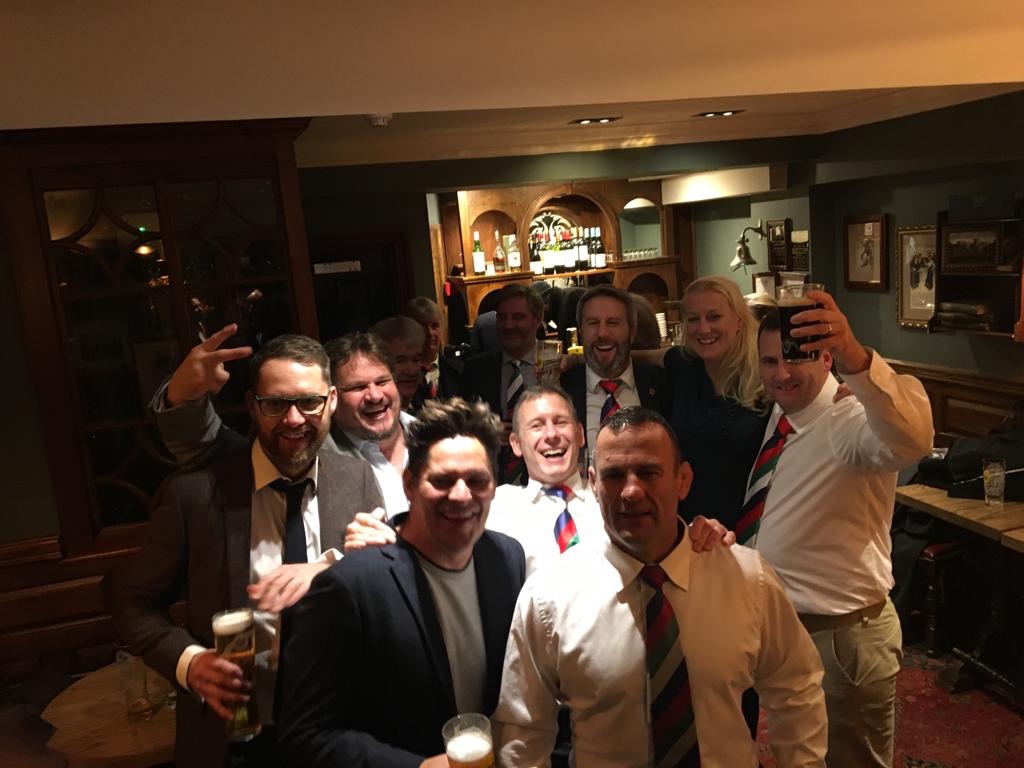
The #SamuraiFamily at the London 7s in 2017

The list of teams and players we’ve faced reads like a who’s who of international sevens rugby: South Africa, Kenya, Argentina, England, and countless others who’ve helped shape the sport’s landscape. But it’s not just about the matches or the trophies – it’s about the people who made it all possible.

The players from all over the World whose careers have benefitted from being part of the #SamuraiFamily are too inumerable to mention. Better to say that Samurai players,both men and women, have represented over forty nations: winning awards and medals on the World Series, the Commonwealth Games, The Olympics and at Rugby World Cups.

I’m indebted to the club stalwarts who welcomed me into the Samurai family. Terry and Rose Sands, Mike Friday, Fahad Adil, Nick Wakley, and so many others who’ve contributed to this remarkable story. Each person brought their own unique energy and dedication to the club, creating something truly special. I am particuarly indebted to the late, great, Colin Hillman who convinced me I had something to contribute after my first tour to Amsterdam didn’t go as well as I had hoped.

This reflection wouldn’t be complete without acknowledging the two people who introduced me to Samurai RFC. A friend of mine Joe O’Keefe, a team mate at Old Mid-Whitgiftian RFC and former Millfield 7s captain, put me in touch with his good friend Tommy Dann a talented player from Cambridge and Northampton Saints who gave Terry Sands my phone number which started the whole adventure. Without Joe and Tommy making those introductions I would never have got involved with Samurai and I am eternally grateful for the opportunities they opened up for me. Tragically Tommy died by suicide on the 18th February 2021 and it pains me that I never got to tell him how much his kind introduction has changed my life for the better and how grateful I was to him for that.
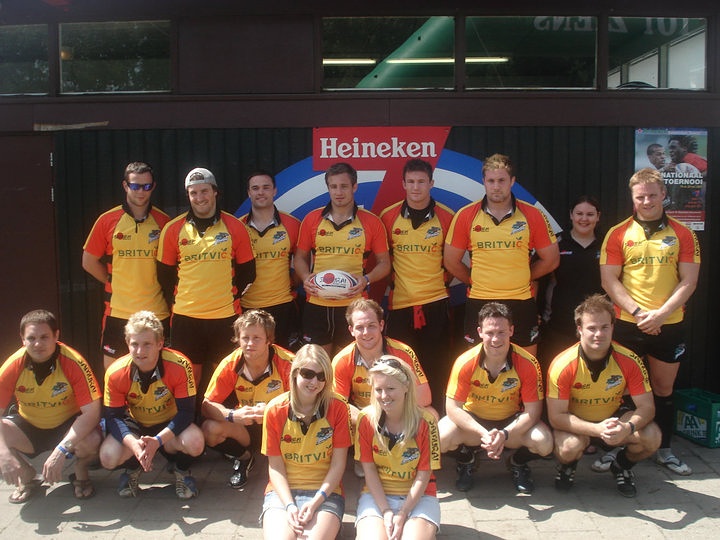
Amsterdam 7s 2007

As I prepare to step away from my operational role, I’m filled with gratitude for the experiences, friendships, and memories that have shaped who I’ve become. Seventeen years, countless tournaments, and innumerable friendships later, I know this isn’t goodbye – it’s simply the beginning of a new chapter in my ongoing relationship with this extraordinary club.

“When the playing is done, the boots hung up and the tours over the most important thing is the friends you made along the way.”

The jersey may be changing hands, but the spirit of what we’ve built together will continue to thrive. Here’s to the next generation of leaders who will write their own chapters in this remarkable story.

GB7’s 2013 round 3, Allianz Park – London – 15/06/13 – MANDATORY CREDIT: Helen Watson

Samurai: Not Just Sevens

To prove that sevens players can also be a dab hand at the full version of the game I set out to pick a fifteen a side team from the Samurai RFC former players list. To make sure it reflected the International nature of the club I only allowed myself to pick one player from a nation and that player had to have played in that position in International fifteens for their nation. So without further ado……

1. Hubert Buydens (Canada)

2. Oliviero Fabiani (Italy)

3. Timote Tavalea (Tonga)

4. Nick Easter (England)

5. Raef Morrison (Hong Kong)

6. Malon Al Jiboori (USA)

7. Sam Cane (New Zealand)

8. Andrew Amonde (Kenya)

9. Pedro Leal (Portugal)

10.Callum Sheedy (Wales)

11. Cheslin Kolbe (South Africa)

12. Phillip Wokorach (Uganda)

13. Oriol Ripol (Spain)

14. Nemani Nadolo (Fiji)

15. Darcy Graham (Scotland)

Honourable Mentions:

Here are a few of the players, and their respective nations, who just missed out:

Adil Achabar (10) – Maroc, Anton Petrowitsch (7) – Chile, Henry Speight (14) – Australia, Taulupe Faletau (8) – Wales, Joe Ajuwa (11) – Nigeria

Due South: The Drawing Board

When you go back to the drawing board and start exploring the Southern Hemisphere, outside of Antarctica, it turns out you are spoilt for choice for potential challenges in some incredibly remote and breathtakingly beautiful places. Personally I’d love to attempt the Sydney-Hobart race, but only on the condition it was with my Kiwi brother Eric Haagh at the helm, so I’ll keep that idea for another day. The other challenges that immediately spring to mind are climbing Aconcagua, or travelling Ruta 40 that runs from the Bolivian border with Argentina, parallel to the Andes Mountains, down to the southernmost tip of South America. As Paul Jordan was also quick to point out, in one of our “sanity check” catch ups, these challenges have the added benefit of being in close proximity to several exceptional wine regions.

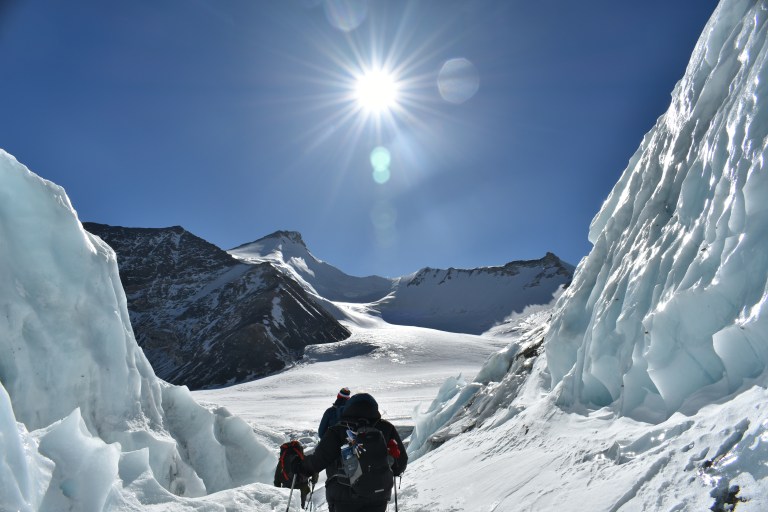
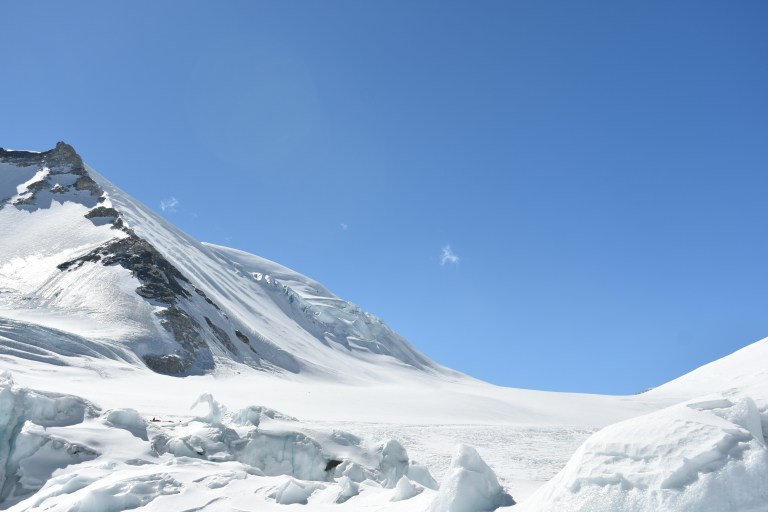
Climbing Aconcagua is extremely appealing for many reasons. It is the highest peak in the Southern Hemisphere and Americas with a summit height of 6961m. It is also the highest peak on any continent outside the Himalaya in Asia and, perhaps most importantly, the normal route up is not hugely technical. It is also one of the seven summits and, as genuine isolated peaks go, there aren’t many better.

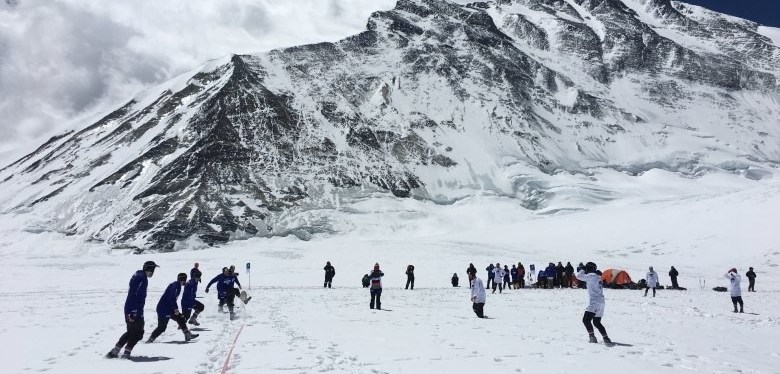
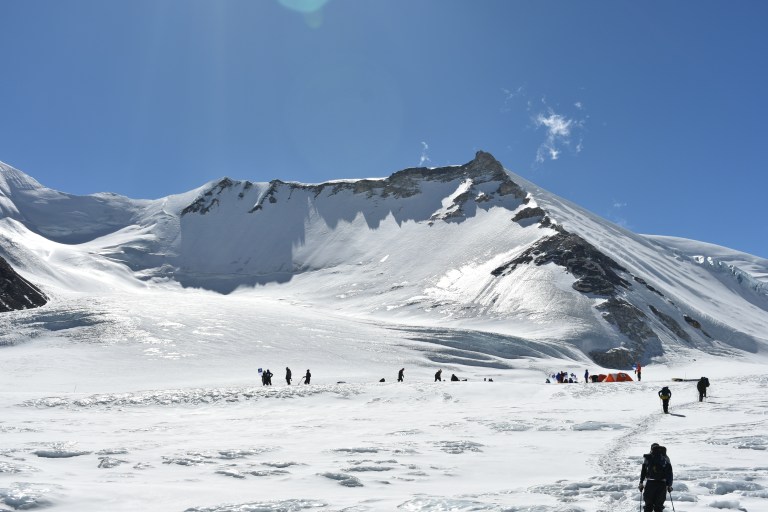
The downside to climbing Aconcagua is that it effectively mirrors the ascent to Advanced Base Camp on Everest (6500m) but without playing a game of rugby up there. Weighing it all up, Aconcagua feels more like a personal challenge than a team challenge and doesn’t seem to have the immediately obvious and engaging story needed to get buy-in from challengers and sponsors. Still, definitely one for the bucket list!

I have always wanted to travel through Patagonia down at the southern most tip of South America and, given the remoteness and terrain, it certainly makes for an incredible adventure. Obviously, simply driving or catching the Patagonian Express is not an option if the journey was to be undertaken as a challenge, but cycling Ruta 40 would certainly push most people, and definitely me, both mentally and physically.
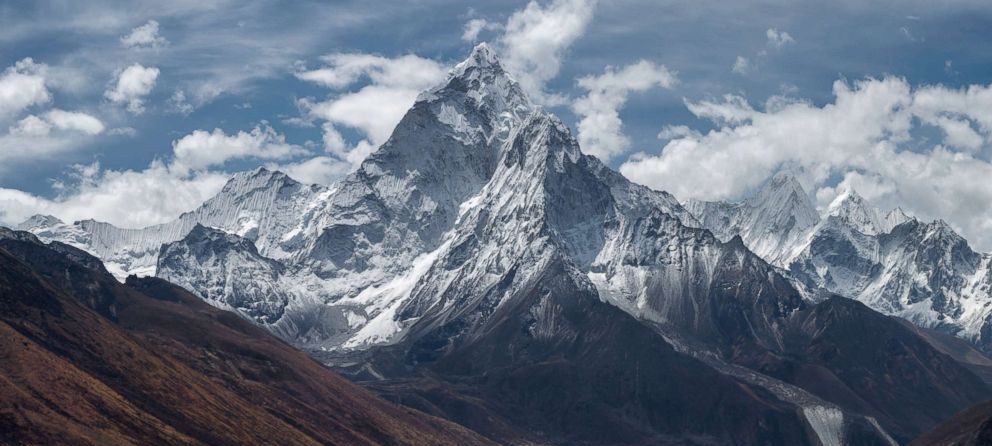
To get a better understanding of what would be involved I chatted with the insanely fit duo, Shane Williams and Ollie Phillips, who have undertaken cycling challenges previously, to get an idea of what was possible from a time/distance perspective. The biggest obstacle seemed to be the time it would take to cycle the whole way from the Bolivian border down to the tip of South America. Even with a team of incredibly capable challengers, the time required would seriously limit the number of people who could afford to take up the challenge. We would need to start the trek near the city of Mendoza in order to make it work logistically. I could already imagine Paul Jordan planning his vineyard visits, and consuming high quality Malbec, with reckless abandon.

Photo by Francisco Buduba on Pexels.com

Despite these two ideas for challenges being mouth wateringly alluring the simple matter is I don’t believe they quite tell the right story or set the right challenge to follow playing rugby on Everest. Time spent “at the drawing board” is never wasted however and what I have come to realise is that not all the challenges I undertake have to continue the same narrative or journey. Although my next Everest remains elusive it is always a welcome reminder that there are, as Robert Frost would say, other paths to follow through the yellow wood.

Anyway, Aconcagua and Ruta 40 can always go on the old “bucket list”, I guess I should start putting one together.

Due South: And Now For Something Completely Different

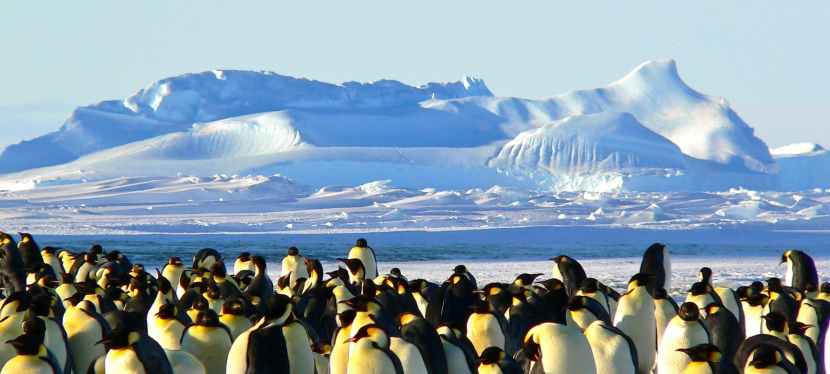
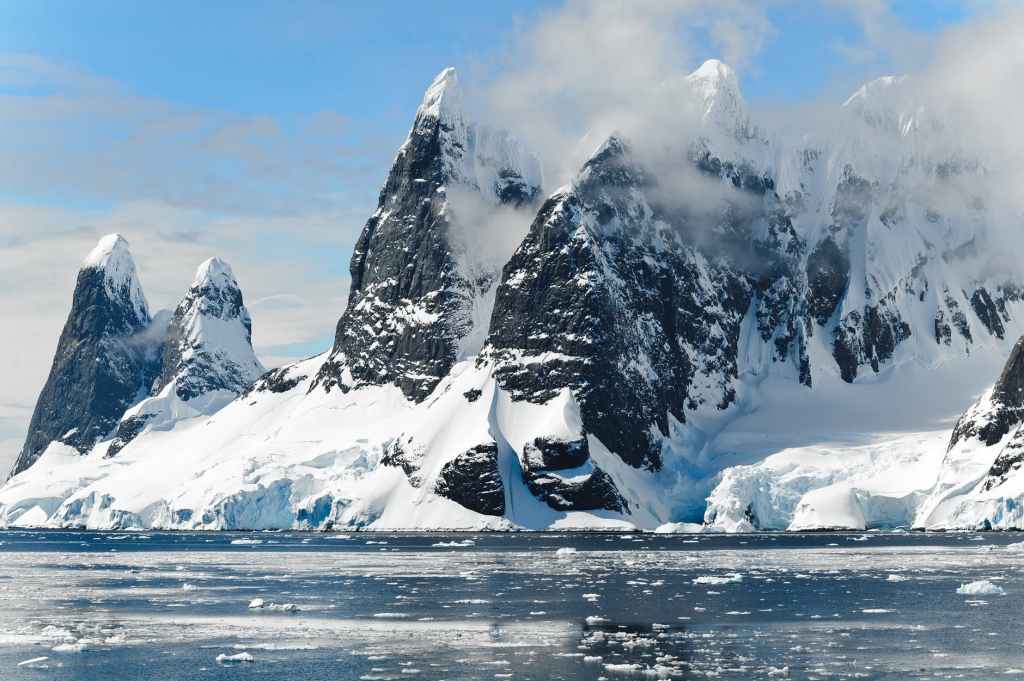
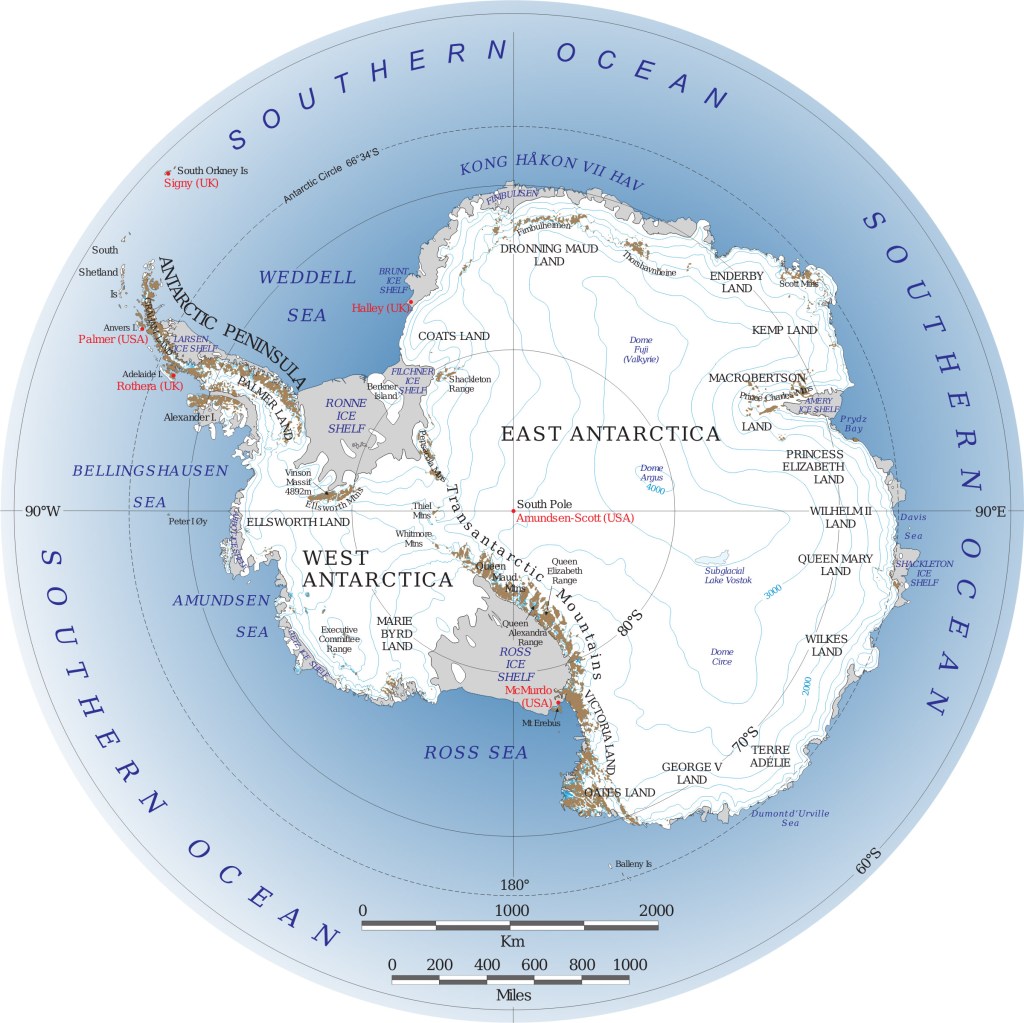
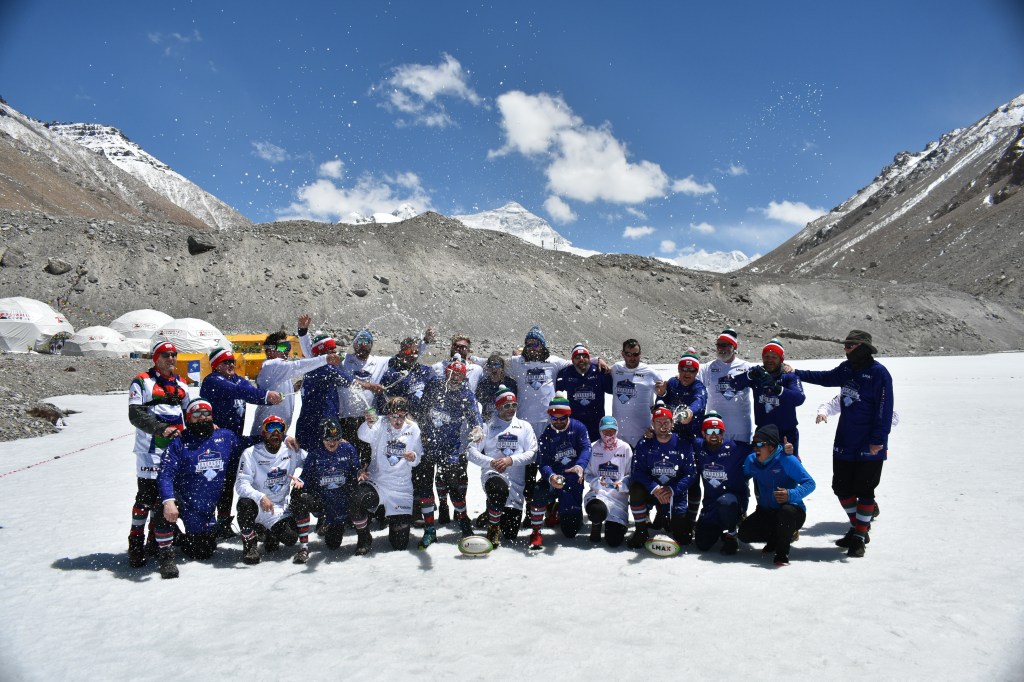
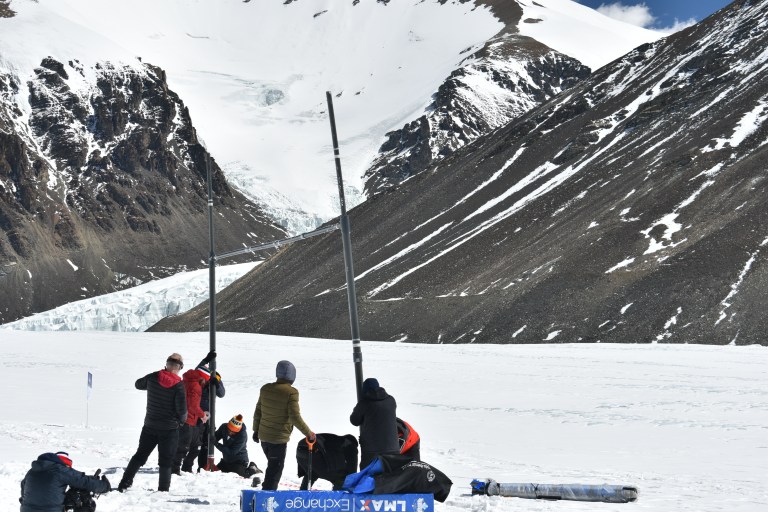
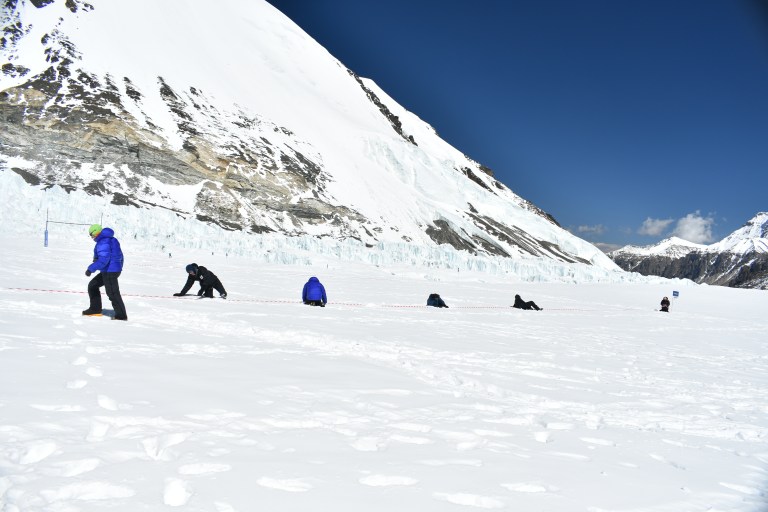
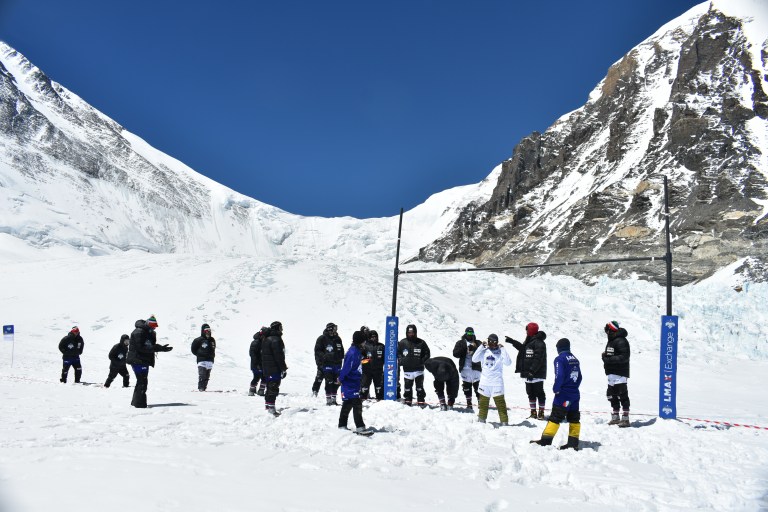
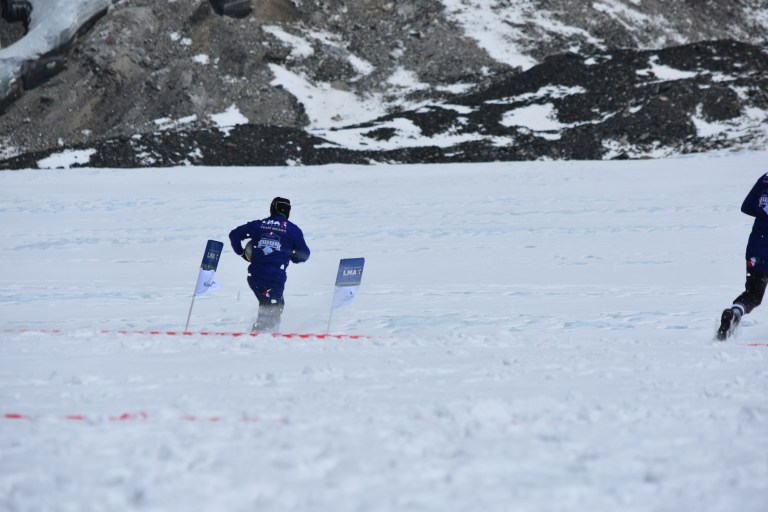
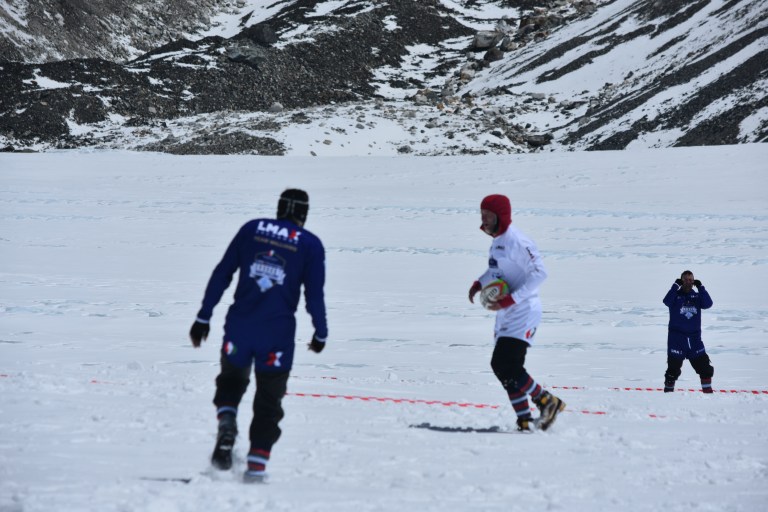
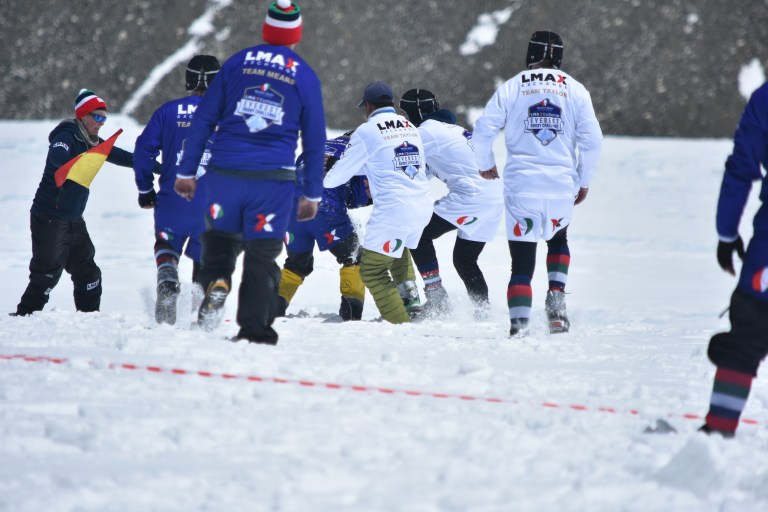
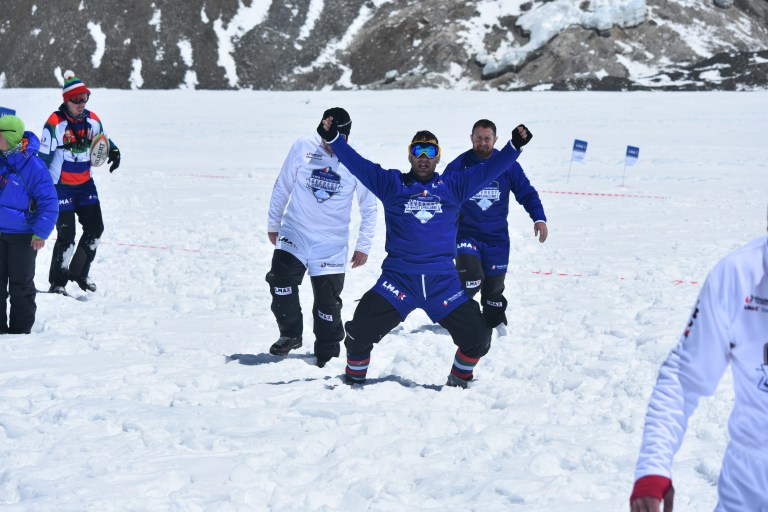
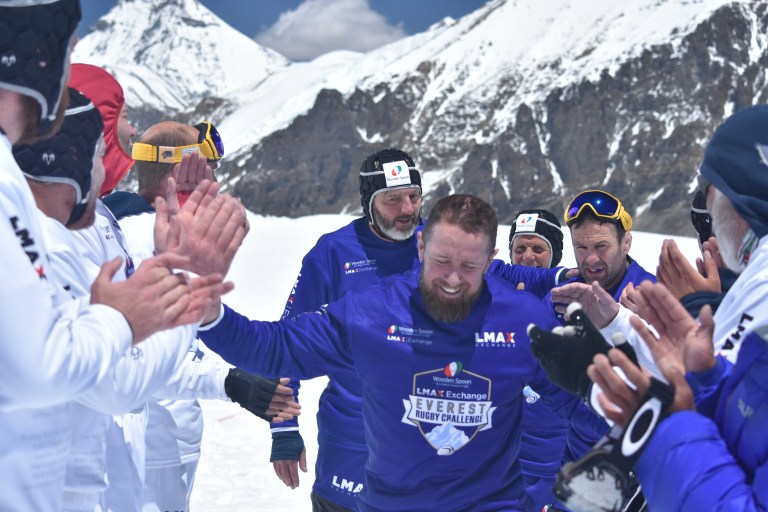
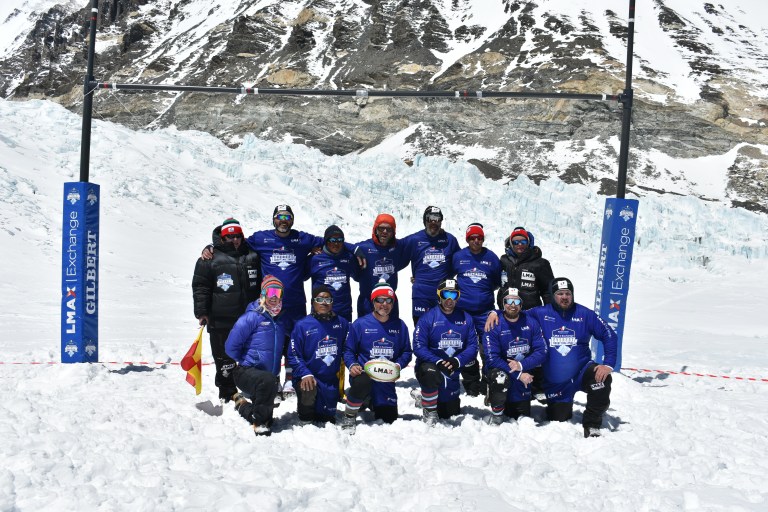
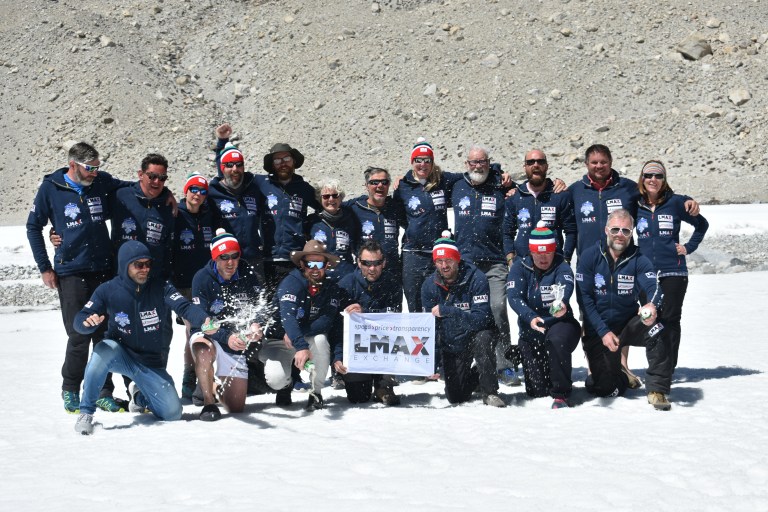
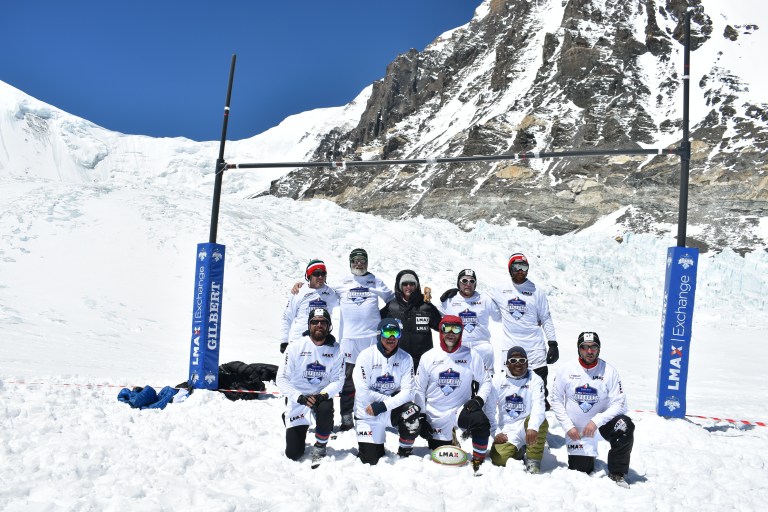
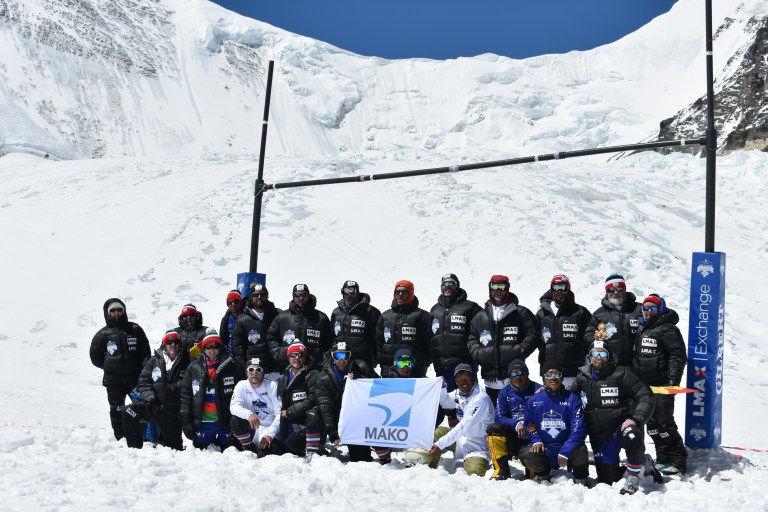
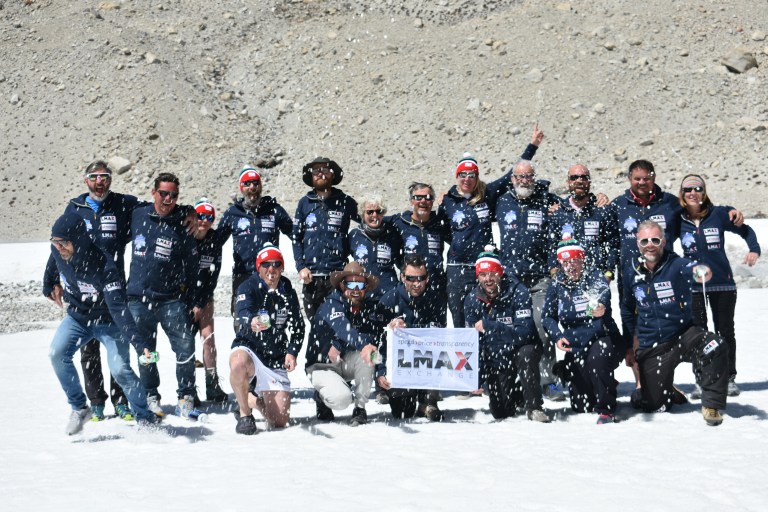
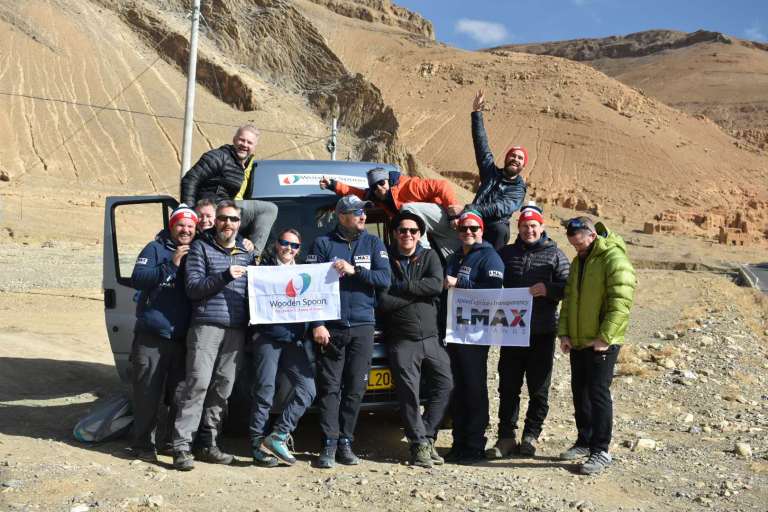
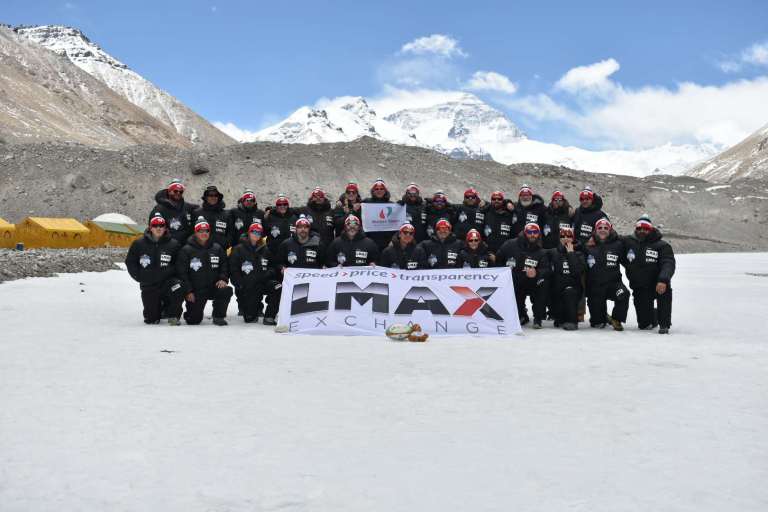
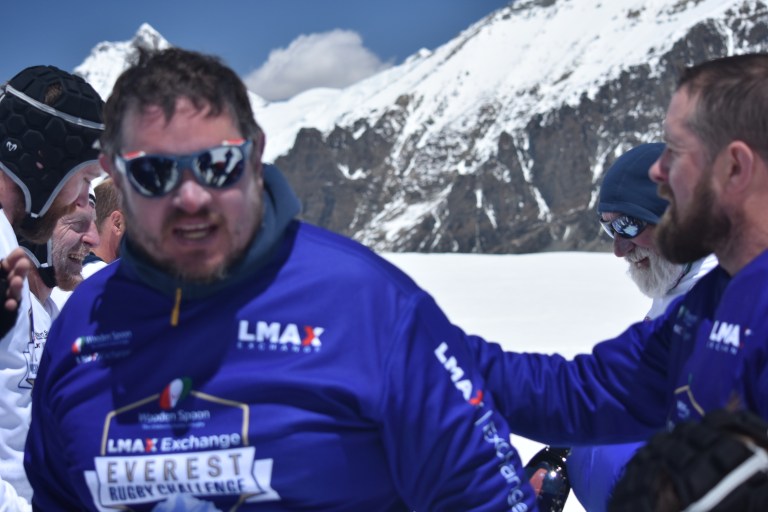
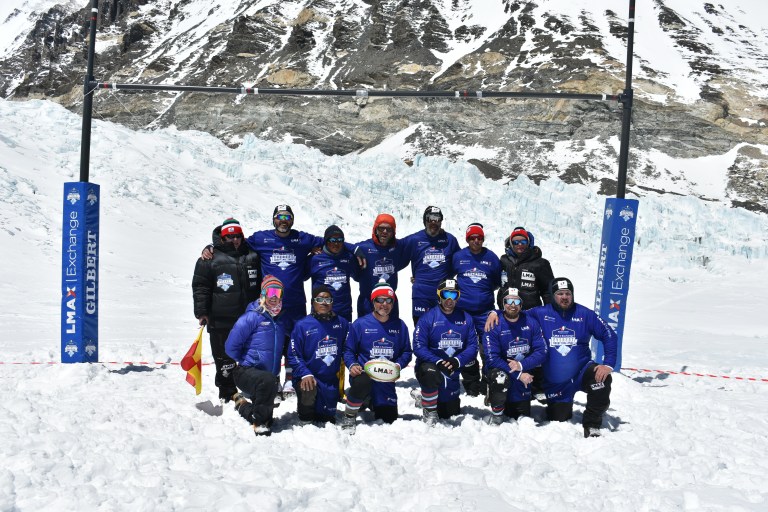
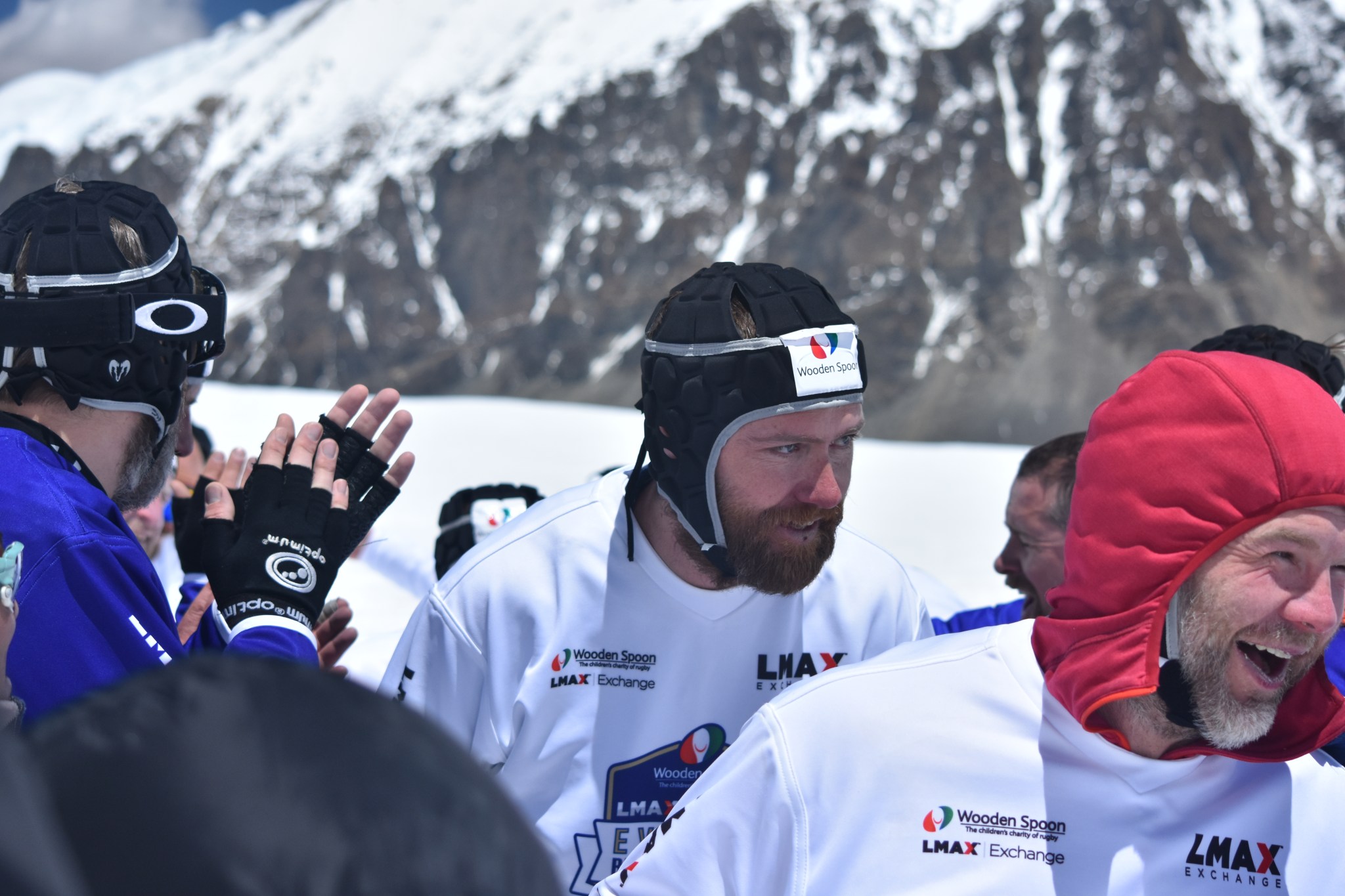
After returning from Everest, inevitably attention turned to the next challenge and fundraiser for Wooden Spoon. Understandably, there was a desire by some of the challengers to effectively “complete the set” by playing rugby at the South Pole: Wooden Spoon had previously undertaken challenges to play the most Northerly rugby match (North Pole) and the highest altitude rugby match (Everest). It is easy to see the allure of a challenge in the unspoilt wilderness of Antarctica inspired by the legacies of the likes of Ross, Scott, Amundsen, Shackleton, Bancroft, Fiennes & Stroud. For me, just the thought of the vast ice covered expanses and the clean air are enough to get my pulse racing and start looking at what exactly is realistic and feasible.

When you look at the idea in any detail however, the cracks start to appear. The problem with playing rugby at the South Pole, in my opinion, is that there is either a cost issue, time issue or story issue. What I mean by that is that you can either pay to fly to the South Pole itself for no other reason than to play the game and set a record which removes any element of challenge, reduces the number of challengers who can actually afford to go and decreases the appeal of sponsoring challengers. So you could walk in from the edge of Antarctica to play, which would be an astonishing challenge, but due to the time it would take to walk that far, recruiting enough challengers to play the match would be nigh on impossible. Lastly, the option to be dropped in at a realistic walkable distance feels scripted and doesn’t lend itself to authentic storytelling which is what inspires support and fundraising for the challengers and the charity. I also struggle with considering a charity challenge when potentially the cost of the expedition is going to be considerably more than the amount raised for the charity.

It may be that in the future, with increased exposure or funding, that the time and/or cost issues surrounding a game at the South Pole will be overcome and that the idea can be revisited and the set can finally be “completed”. But for now, in my mind at least, it is back to the drawing board to find a suitable challenge to undertake in 2023. I do feel however, that continuing to look Due South may well be the right approach and that a trip to the Southern reaches of this planet may well be on the cards in my not too distant future.