


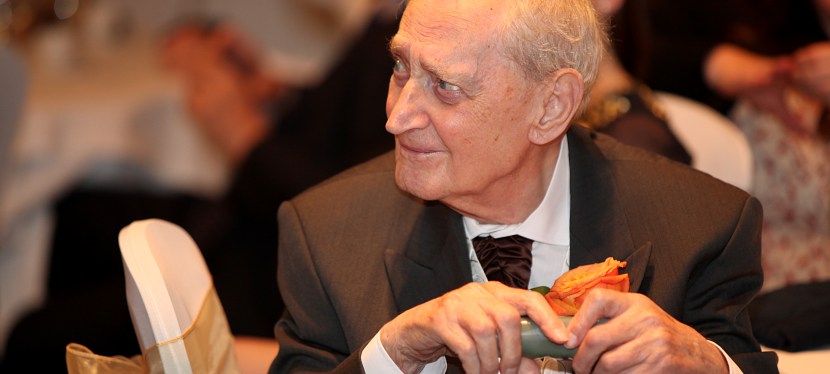
My grandfather’s name is Kenneth Samuel Helps. My mother’s father was born on the 23rd December 1923 and died on the 11th January 2021, at the age of 97. Or as my youngest brother put it, in the style of Richard Harris, Grandad’s annual New Year pneumonia & hospital prank went catastrophically wrong. He was known as Ken to his friends, Brother to his worthy brothers, brother by his siblings, dad by his daughter, Great Grandad or Great Dad Dad by my nephews and grandad by my siblings: But for me, for a reason long since forgotten, he was Grandfather. My grandfather’s name was Kenneth Samuel Helps and I loved him.
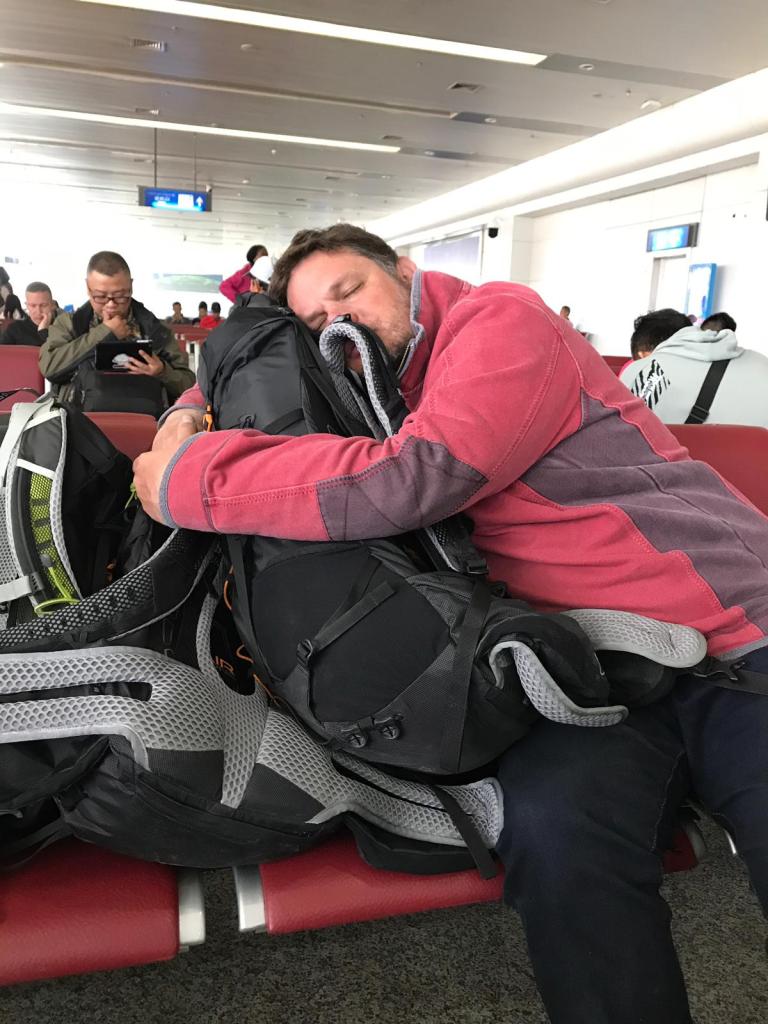
I have been in life’s departure lounge for quite some time but for some reason I keep missing my flight
Richard Harris
My grandfather was the second child of William and Eleanor Helps. His older brother Francis, who flew Mosquito planes with the RAF in the war, passed away in May 2020 just 12 days before his one hundredth birthday. His youngest brother Michael, who did his national service in the
Royal Marines, also passed away last year. It weighs heavy on the soul when you try to comprehend the immense sadness that must accompany losing all three of your brothers in less than ten months. I have no words of my own to express how I feel to my Great Aunt Margaret, who
survives all three of them, so the words of another will have to suffice: ‘The streets of heaven are too crowded with angels tonight’. Because of the situation with Covid, I, like so many others grieving for loved ones in this country and around the world, didn’t get to attend their funerals or pay my respects in person. I am relieved beyond words that this will not be the case with my grandfather.
The streets of heaven are too crowded with angels tonight. They’re our parents and our teachers and our brothers and our friends. The streets of heaven are too crowded with angels, but every time we think we have measured our capacity for kindness, we look up and we’re reminded that that capacity may well be limitless.
borrowed and adapted shamelessly from Aaron Sorkin


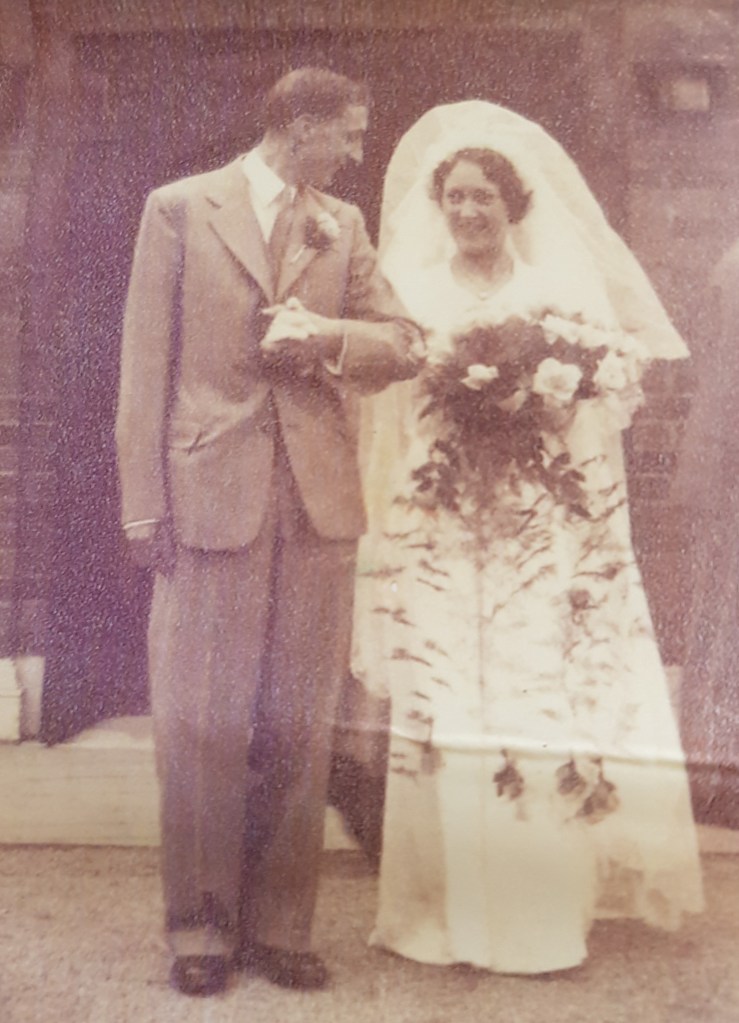
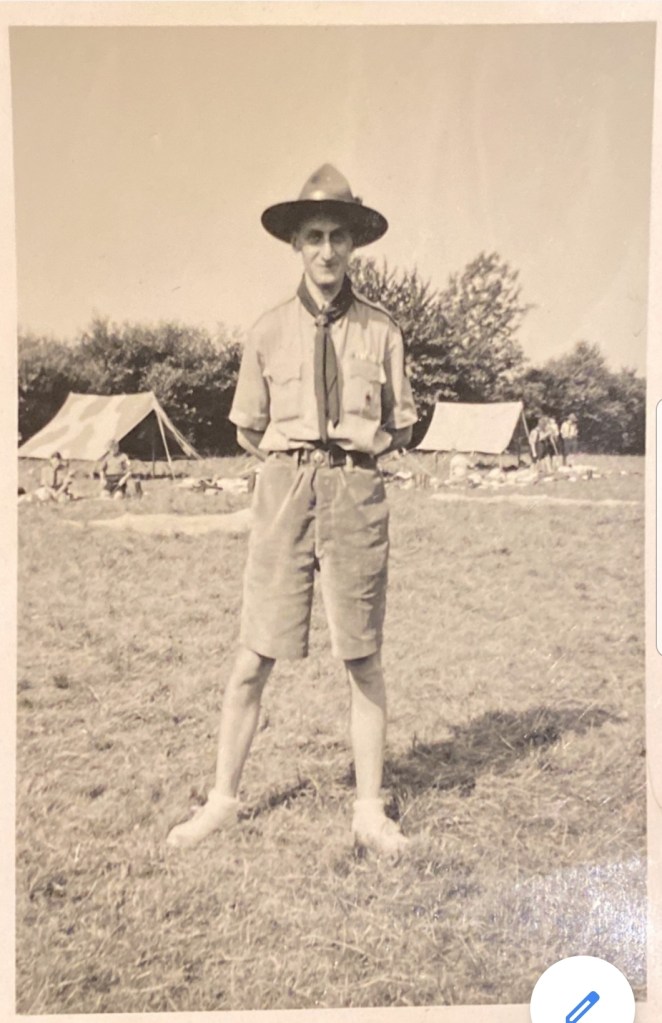

My grandfather was born at Kings College Hospital, Denmark Hill in 1923. With his electrician father (William), mother (Eleanor) and brother Francis they lived over their shop on Mulgrave Road, Cheam. He grew up there, later moving to Priory Road, just round the
corner, after the arrival of younger siblings, Michael and Margaret. He went to school nearby in Kingston and became heavily involved with 1st Cheam Scouts, meeting Lol and Joyce, who became his life-long friends.
In 1950, he married Catherine Colburn with whom he had worked in the Citadel in London. They married at St Oswald’s in Norbury, where his parents had been married. They had their fair share of problems on the wedding day: Catherine’s father had a heart attack that morning so could not attend and the organist and minister having an argument resulting in the organist’s refusal to play. From there he moved to No. 3 Osterley Gardens in Thornton Heath, where his daughter Cathy was born in 1953. His wife tragically died of cancer in 1969. My grandfather lived there until 1996, when he moved to a purpose-built annex, attached to his daughter’s family home on East Hill Road, Oxted.
Both my grandfathers served their country in World War 2. My father’s father, Major Reginald Percy Dean, was a professional soldier who served in the British Expeditionary Force that was evacuated from France at the start of the war. So the story goes, he was one of the last to be evacuated after fighting a rear-guard action and escaped down the coast from Dunkirk, after leading his men through a minefield to safety, and was evacuated from Cherbourg. I suspect that, without the sacrifices of the British garrison at Calais and the French 1st Army, he wouldn’t have made it, and I wouldn’t be here to tell you about it. He died before I was born, when my father was still young himself, so I never had the pleasure of meeting him.
My mother’s father, Sub Lieutenant Kenneth Samuel Helps, was a “Hostilities Only” in the Royal Navy where he served as a Writer. He was principally in landing craft. He was in the Allied invasion of Sicily, codenamed Operation Husky, in July 1943, the largest amphibious operation of World War II in terms of the size of the landing zone and the number of divisions put ashore on the first day. Prior to that, he worked in the Citadel in London during the Blitz and would tell me about he and others would try and catch a few hours sleep in some of London’s parks just to be able to get away from things for a while. By the end of the war he had been posted to Australia, serving in the Pacific arena and was based at Quaker Hill near Sydney.
He never talked much about what transpired during the war, but occasionally, in now treasured private moments, you would get told a few of his stories. These were never the gratuitous Hollywood version of what, later generations assumed or were taught by endless propaganda, war was like. There was no revelling in the nonsense that war is glorious or heroic, but neither were they the harrowing accounts of the true horror of conflict. In the most part, they were stories of his friends, of simple pleasures and hardships, of loss and endurance, of the kindness of the Australian families who housed him or the mischief he had got up to to pass the time. Stories about having his landing craft sink beneath him in heavy seas, which must have been been terrifying, were told as an amusing anecdote about how he came away safe and sound with nothing but the clothes on his back and a bunch of bananas, grumbling good-naturedly about the loss of his typewriter. I think more than anything my two grandfathers, along with a certain Mel Thompson, were the main reasons I pursued a career in the armed forces from a young age.


Buckingham Palace Please!
Catherine dean
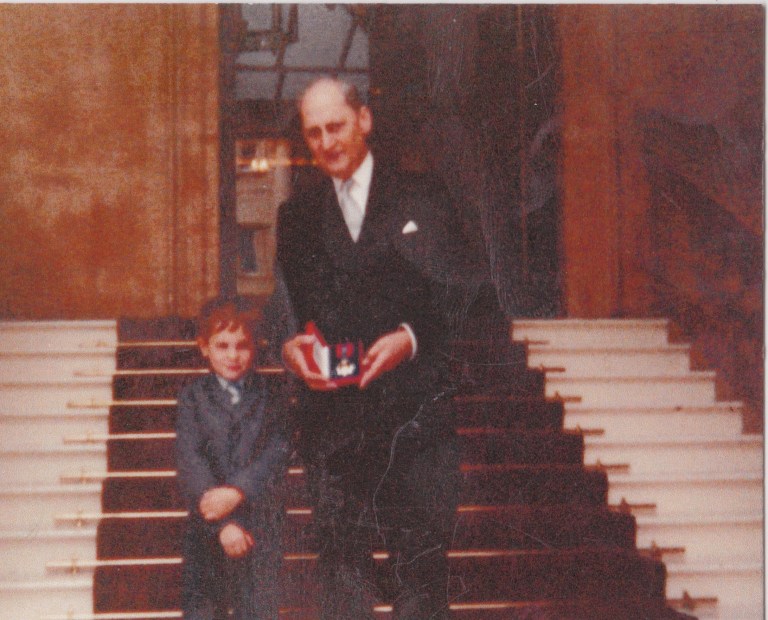
After the war my grandfather returned to the Civil Service, finishing as a Senior Principal in Naval Law Division in the Admiralty (the Ministry of Defence as it now is) at the time of the Falklands War in 1982. he was a Principal in Naval Law Division of the Ministry of Defence (Navy), a department that consisted of personnel who were neither naval nor legal, but who were responsible for the administration of naval law, both summary discipline and courts-martial. Upon retirement he was made a Companion of the Imperial Service Order (ISO), for long and meritorious service.
Some of my fondest memories of my Grandfather are about his ISO award. I was lucky enough to be invited, aged five, along with my mother, to watch his investiture at Buckingham Palace. I can’t remember what went wrong on the way, but for some reason my mother and I had to hail a cab somewhere in Surrey and state simply; “Buckingham Palace Please”. The day’s peculiarities didn’t end there as I managed to get spotted picking gold leaf off the formal chairs, which embarrassed my mother. Many years later, my grandfather invited me as his guest to attend an ISO 20th anniversary drinks reception, hosted by the Sovereign at Buckingham Palace. Being comfortably the youngest guest in the room, the staff
obviously assumed I would be keen for a few drinks and liberally plied me with gin & tonic as I stood, grinning from ear to ear, next to my grandfather in the Long Gallery. When the Queen came over to speak to him, she greeted him warmly and they chatted like old friends.
Turning to me, she smiled, greeted me and nonchalantly asked if I could refrain from damaging her chairs this time.
Other fond memories include hours playing with his Hornby train set, the highlight of which was using his favourite (and mine) train engine, called Jinty. I loved the occasional lunches with him and his friends at Simeone’s restaurant on Drury Lane, with him ordering the inevitable well-done entrecote steak. I was always amazed by his ability to sneakily pay for everyone’s meal without anyone noticing, until it was too late. I managed to get in before him to pay on one occasion, which led to him being very disgruntled and me more than a little pleased with myself. My favourite recollection of him in later years, was his delivery of a non-religious grace before the meal at my wedding. He delivered it word perfect, clear as a bell and without using a microphone: punctuating it, as he saw fit, with liberal thumps of his cane. Legend.

As we come together at this special time, let us pause a moment to appreciate the opportunity for good company and to thank all those past and present whose efforts have made this event possible. We reap the fruits of our society, our Country, and our civilization, and take joy in the bounties of Nature on this happy occasion. Let us also wish that, some day, all people on Earth may enjoy the same good fortune that we share.
Kenneth Helps
Of all my grandparents, I know the least about my grandmother, Catherine Helps neé Cockburn, other than that she died very young of cancer. I do remember one of my great aunts, Phoebe Senyard, who my grandfather used to bring with him to visit us at Willow Way in Godstone. He would drive her down in his Austin Maxi. Aunty Phoebe was, as I later found out, one of the women of Bletchley Park and is prominently named in several fairly written books highlighting the incredible work that went on there. She died when I was six and I wish now I had been given the opportunity to ask her to tell me stories about her niece. The one thing I do know about Catherine, however, is that my Grandfather loved her. Photos of her adorned his walls and, despite being widowed at a young age, he never re-married or, as far as I know, dated another woman. We never spoke about any of this: I never asked and he never talked about it, but I suspect that he felt there was no point trying to replace the irreplaceable; I suspect he makes a good point and do not believe I would act any differently.

How do you value or summarise one person’s life? Is it simply a clinical case of totalling up their accumulated wealth and riches on a balance sheet or is it something more ethereal? Is it the lessons that person taught you, the lives, including yours, they made better by just simply being or even the lives they saved through kindness and sacrifice? When my family were looking at which charities for people to donate to in his memory, we were resoundingly stumped. My grandfather’s cheque book was a fairly extensive list of global charities; the only way we could decide which of those hundreds of charities he supported, was by going with the two most recent stubs (the Royal British Legion and The Donkey Sanctuary). It should have struck me earlier, but it turns out my grandfather was, very quietly and privately, quite simply the kindest man I have ever met. I don’t ever remember, in all the years I knew him, him ever being angry or raising his voice. By no means do I wish to imply he was a saint: in later years when he was ill or struggling in hospital, he could certainly be grumpy and stubborn, but never angry. Actually, he has always been stubborn: hard of will and strong of principle. I definitely get my stubbornness from my grandfather.
Do not go gentle into that good night, old age should burn and rave at close of day; Rage, rage against the dying of the light.
Dylan Thomas
My grandfather, like so many, was certainly shaped by events in his life: war, tragedy, lost love, hardship and sacrifice. But what shapes a man does not necessarily define him. He was also a carpenter: a man who loved to create with his hands. I remember a man who was happiest when teaching his grandchildren how to build a castle or a bird table from offcuts of wood in his garage. I suspect the animal hutches he built during my childhood would have fetched a decent price at the local garden centre, but he happily gave them away and just sat back and enjoyed the immense joy they gave his family. His lesson to “measure twice and cut once” is one not to be forgotten and, as I have discovered throughout my life, it does not just relate to carpentry. After retiring for the second time, he took on several part time roles at Grand Lodge, simply for the love of the job and declined to take any pay for his efforts. .
Measure twice, cut once.
Kenneth Samuel Helps
When you look back at the impact someone has on your life, the lessons they taught you, you realise how much you are in their debt. They influence and inform your sense of purpose and your moral compass. I don’t mean to say that you become like them, more than you are genetically predisposed to anyway, but that you learn from them: a sense of who you are and what you want to be. You take the bits that you like or need and consciously cast out bits until you are left with something neither new or old, shaped by the world but not bound by it. It is, of course, a debt that you can never pay, but then maybe you aren’t supposed to? Maybe it is a way of passing our essence on through our family: a sort of immortality for the soul. I don’t think anyone truly wishes to be their father or grandfather, but you do wish to make them proud.
When people close to me die, I worry they never knew how I felt about them. My Great Grandmother, Eleanor Helps, died when I was six months so I have no memory of her. I know my father’s mother passed away when I was too young to properly understand what it meant or how I felt. I remember a kindly lady who lived in a wonderful house, who always told me one day I would be a doctor. I thought that was a bit premature and have similarly always thought it a shame that she never got to meet Alexander.
I don’t think this was the case with my grandfather: I like to think he knew exactly how I felt and that there was a special place in my heart reserved only for him. I would like to think it was mutual, but even if it wasn’t, I learnt well enough from him that it is better to give than to receive.
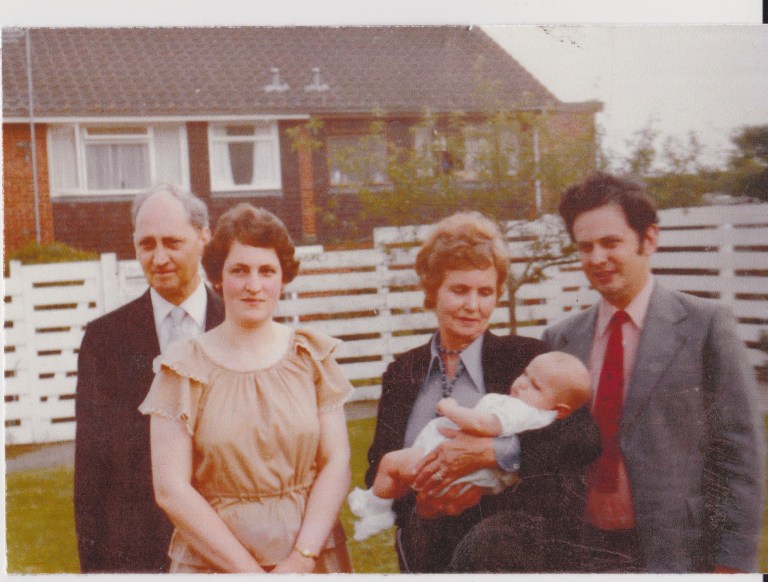
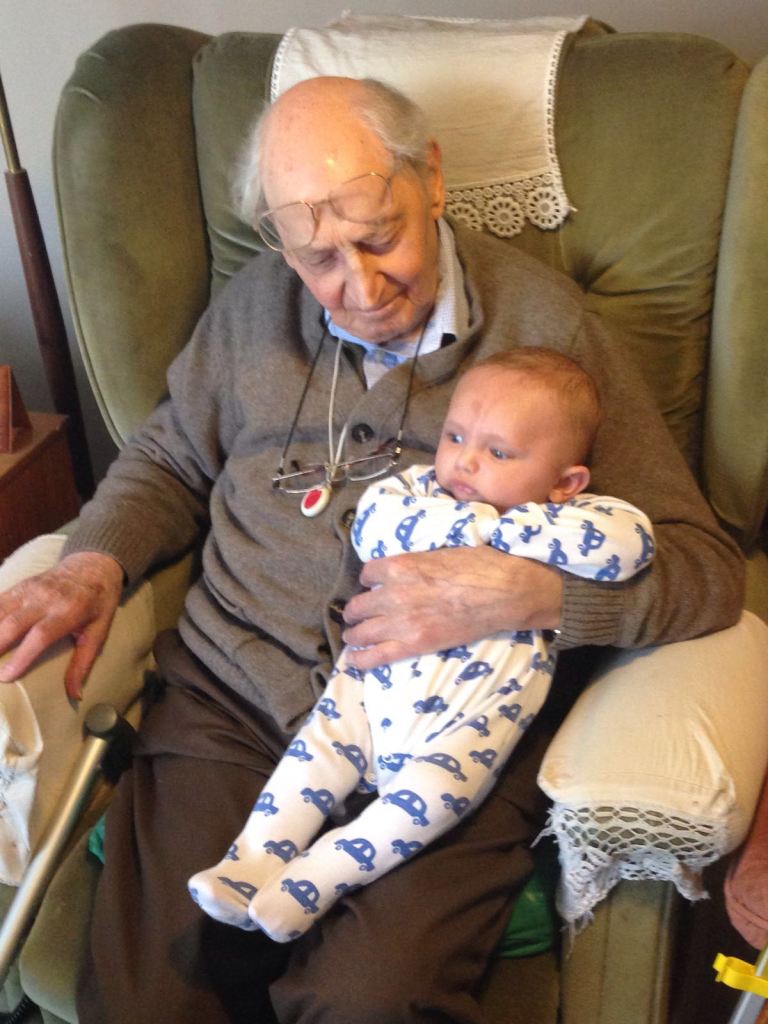
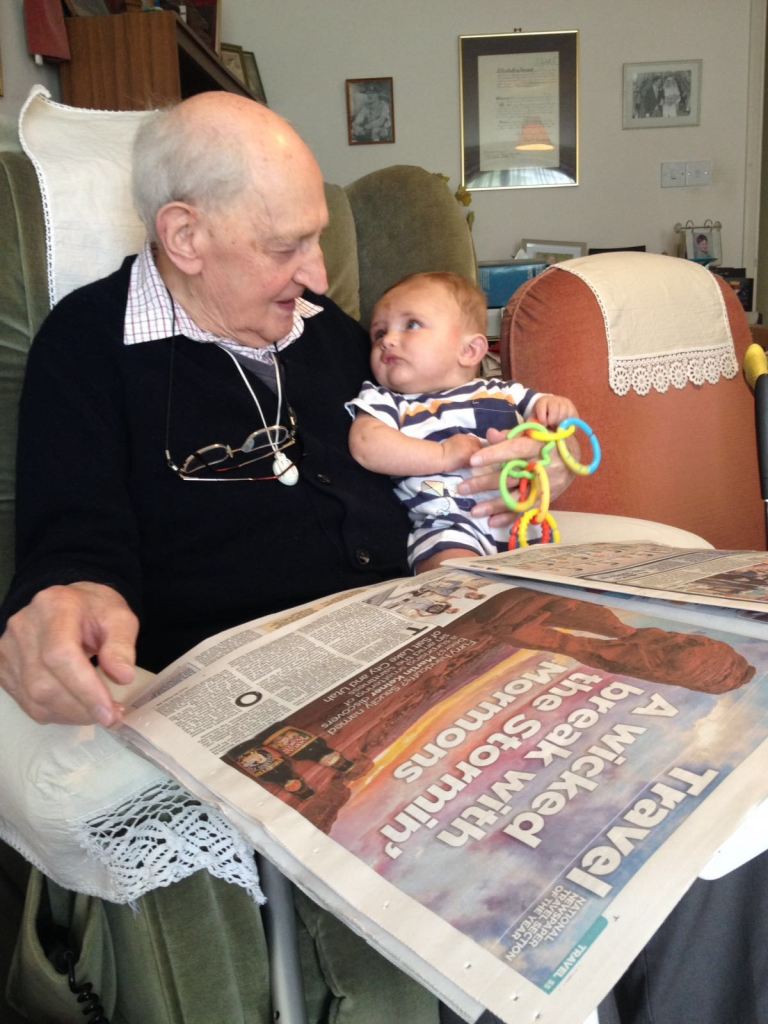
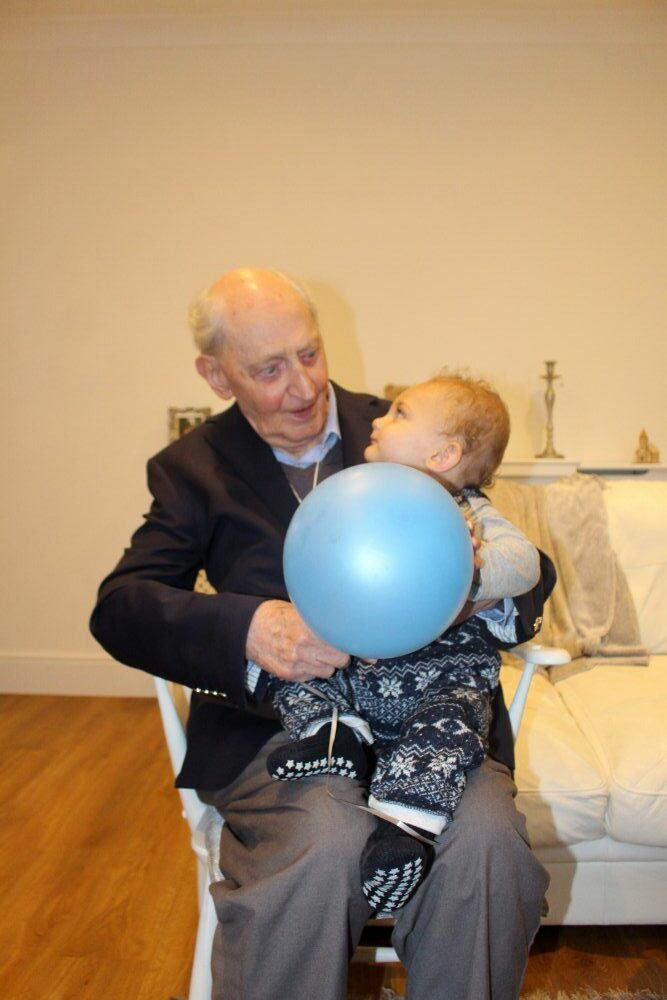
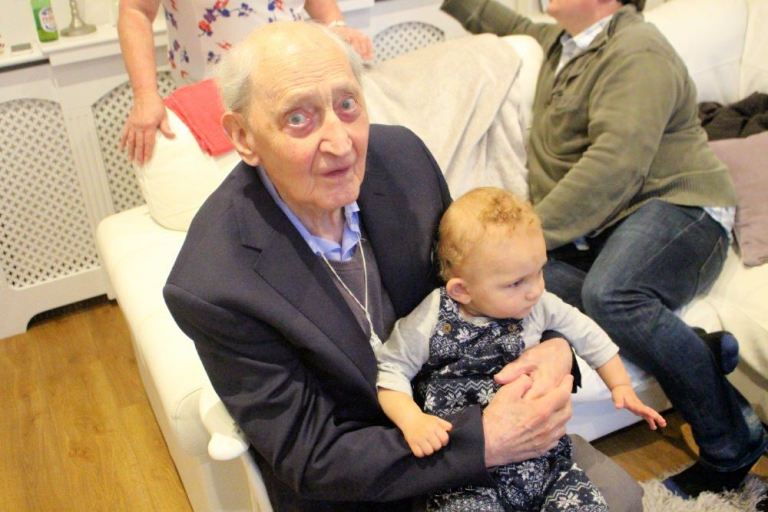
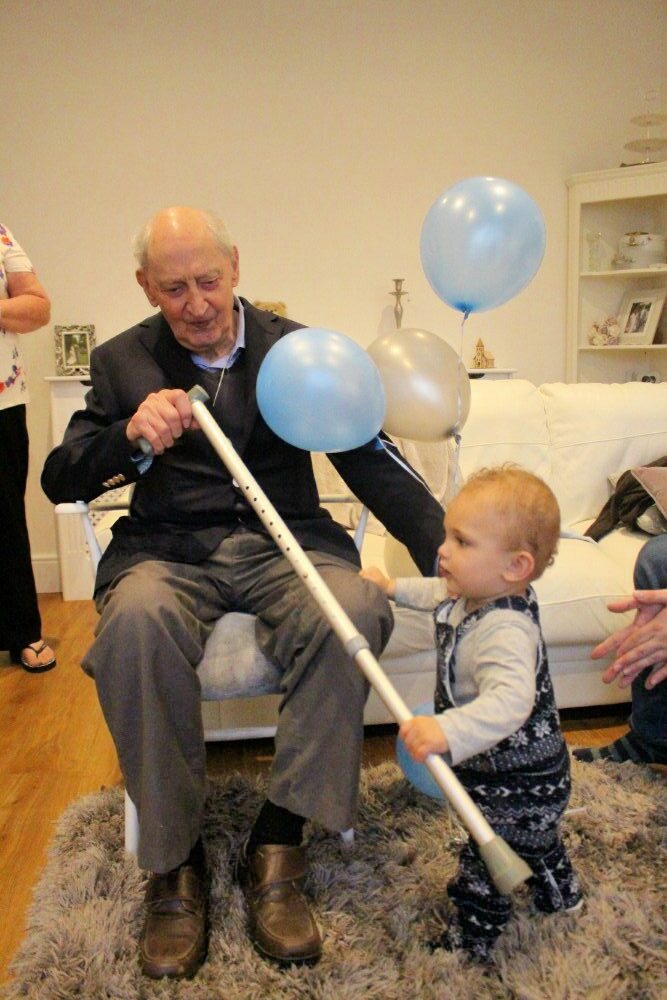
My grandfather spent his final years surrounded by his great grandchildren. When they were with him, the mutual love and affection filled the room, and I think just the presence of them probably gave him a few extra years with us. On the periphery of such events, I envied him the simple pleasure of unconditional joy in family. His relationship with all five of his great grandchildren reminded me of my time with him as a youngster: flat coke from the cupboard under the sink, early morning trips to the baker, grocer and butcher when I stayed with him, the never-ending supply of ice pops from the chest freezer, beautiful wooden tools of all kinds for all tasks, strange china water containers hung on the radiators, his lavender-filled rockery at Osterley Gardens, roast dinners which cannot be explained to anyone who hasn’t eaten them, flat caps & cardigans, jigsaws, oversized boxes of fruit jellies, tinned Irish stew, wooden handmade castles, PROPER tea with PROPER milk, the pictures on his walls of his family and, even after all this time, the picture of his wife Catherine: always.


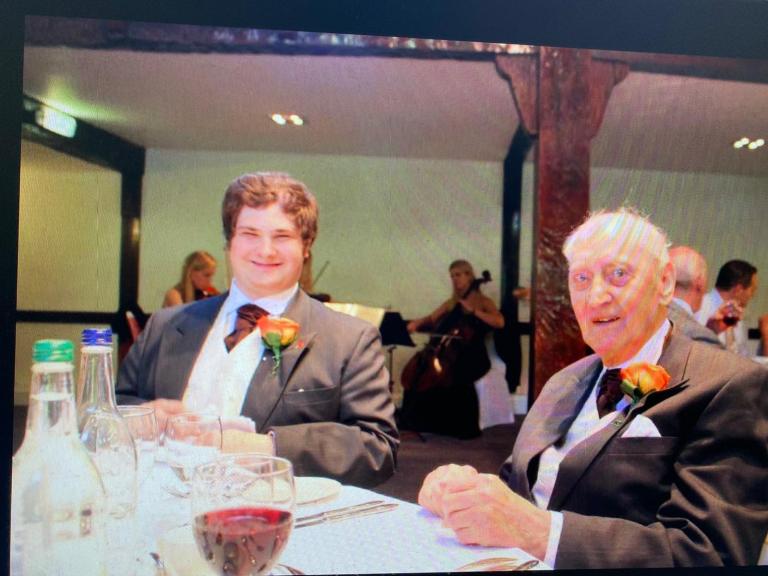
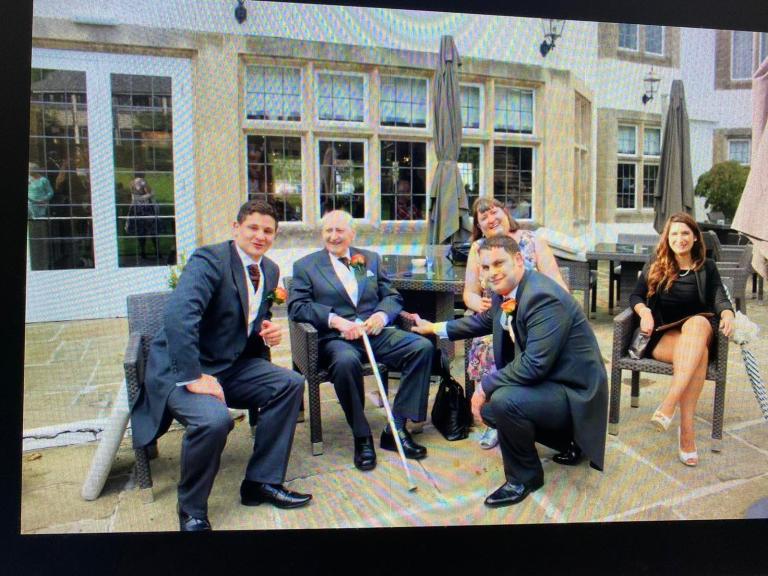
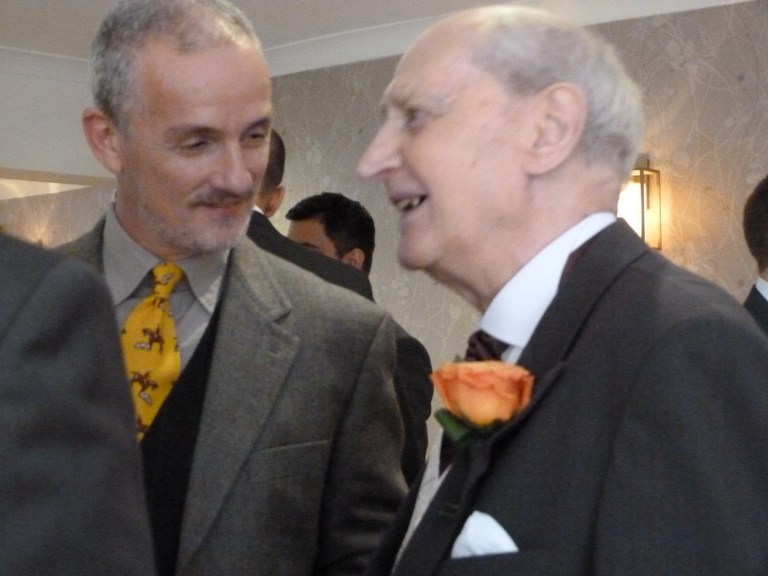
I have always felt guilty that I didn’t take up the craft. I worried that because I didn’t become a freemason that I had disappointed him or made him think that I didn’t respect those who did join. Nothing could be further from the truth, however, and to this day I hold freemasonry which does a huge amount for charities of all kinds, in the highest regard. As far as I know, my grandfather never judged me for it, he accepted that I was different from him and never tried to put pressure on me to change my mind. It made me sad not to be part of his freemasonry life, but in the end I decided that to undertake something based on a falsehood*, however noble the intent, would inevitably denigrate something that he held dear. (The *falsehood would be on my part, not believing in a supreme being).
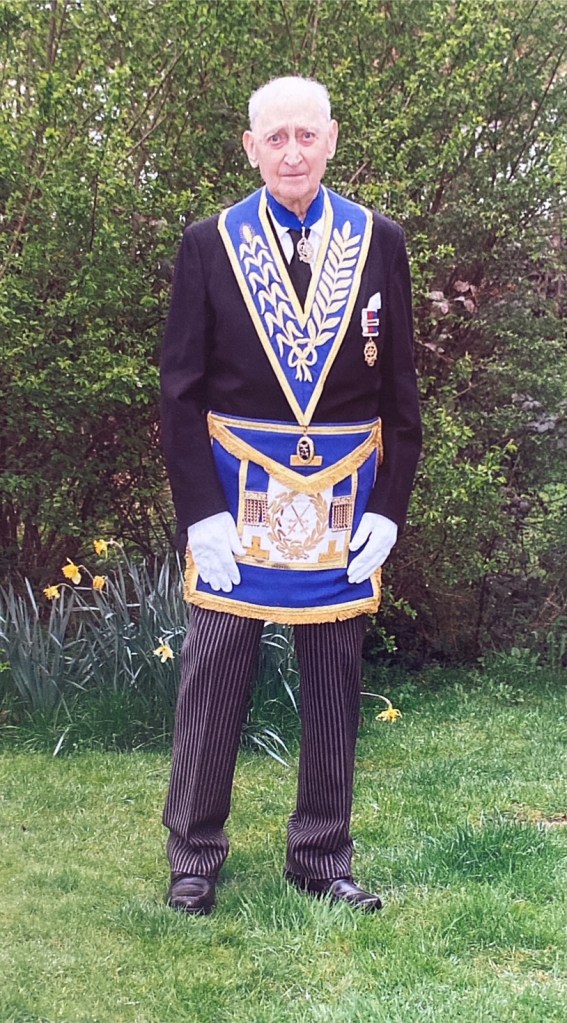
W.Bro. K.S. Helps, ISO, OSM, PDepGSwdB
My grandfather was one of six candidates elected by the Brethren of Egyptian Lodge (Lodge No. 27) on 6th November 1946. His eldest brother Francis was a Steward at the time, and their father William was a Past Master of the Lodge. Ken was subsequently initiated at an Emergency Meeting of the lodge on 5th March 1947, one of two initiated that evening, by his father. That was the start of a very illustrious Masonic career.
Raised on 7th April 1948, he was Master in 1961/62; made a holder of London Grand Rank in 1973; appointed Secretary of the Lodge from 1978 to 1993, having previously served as DC for a number of years (and being Preceptor during most of that time also); achieved Grand Rank (PAGDC) in 1985; was promoted Past Junior Grand Deacon in 1990; and promoted again to Past Deputy Grand Sword Bearer in 1997.
In March 2014 he achieved the highest honour the Grand Master may confer on any member of the Craft, the Order of Service to Masonry (OSM), an acknowledgment of exceptional services to the Craft.
To what, then, should I aspire? If, when I depart on the final great adventure, I have achieved with my life even half of what my grandfather did with his, then I shall be satisfied. I shall aspire to greatness in the hope that I can break even. I will honour him with deeds, in the hope of making a ghost proud one last time: to help those who need it, to give aid where it is required, to use my position and security to give to those who have not. In short: to help those less fortunate than I. A better tribute I cannot conceive, to a man who shaped my thinking and a large part of my life view. If I can do anything to add to his legacy, then I hope that I can inspire others to follow his example and give what they can, be it time, money or just simple decency, to make this world a fairer and happier place for all.
Neither fire, nor wind, birth, nor death, can erase our good deeds.
Siddhartha Gautama
Writing this has in itself been difficult, at times too difficult, but also cathartic in helping me deal with my grief. It has helped me reflect on how I felt about a man who probably had a greater impact on my life than any other, and allowed me to find a greater level of self-awareness. The realisation that kindness in this world is a precious thing and that if only everyone did their share, together we can make things better for everyone. He also made me realise that age is not a barrier; he was always the first in the family to try new technology: our first VHS
machine, word processor, computer, printer and DVD player all came from him. Even in his nineties he was still trying to get to grips with smart phones and tablets rather than letting the modern world leave him behind as so many his age do. My final realisation as I write this tribute to a truly great man is that kindness is everything. It is deeds rather than words or sentiments that make a difference: How you get there really is the worthier part. And there you have it, my grandfather, teaching and guiding me even now: from the ghost.
And there you have it, my grandfather, teaching and guiding me even now: from the ghost.
mark dean
I would like to thank everyone who has been kind enough to write or call to tell me how much my grandfather meant to them. I would also like to thank Alexander Dean, Adrian Down, Joy Ellan, Saira Dean, Catherine Dean, Norman Green, Michael Higham and Elisabeth Dean: I hope, with your gratefully received contributions, I have done the man justice.
Author’s note: The title of this piece, From The Ghost, is taken from the song of the same name written by another former Royal Naval officer and all round good egg: Richard Eling.
































 Deano's World