

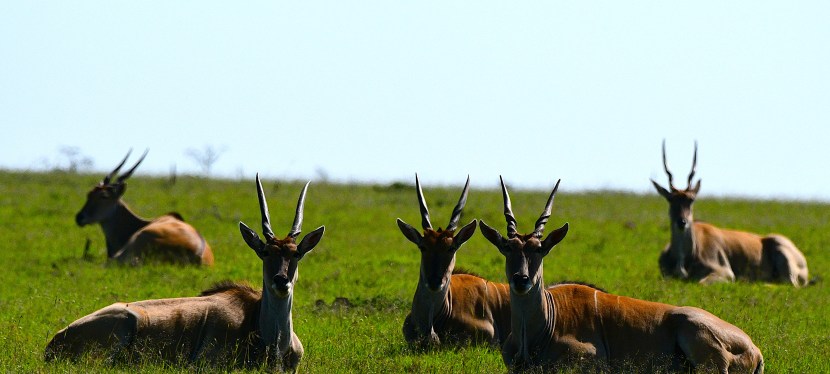
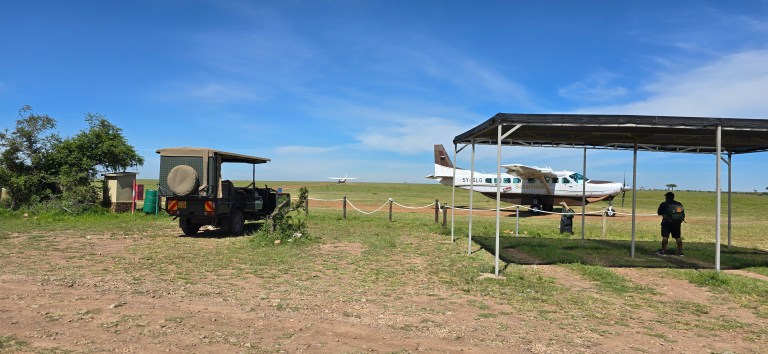
The small plane that brought us from the dusty plains of Amboseli touched down on the lush green airstrip in Naboisho Conservancy on the edge of the Maasai Mara and just like that, I was transported into yet another world. As we began our drive to Naboisho Camp, the Kenyan wilderness immediately welcomed us with its wild inhabitants—a curious hyena watching from a distance, towering giraffes gracefully moving between acacia trees, dazzles of zebra creating living optical illusions across the golden savanna, and two Thompson’s gazelles engaged in a territorial dispute, their horns locked in an elegant dance of dominance.

The Naboisho Conservancy was born from a groundbreaking conservation model that balanced ecological preservation with community empowerment. Established in 2010, the conservancy emerged through a unique partnership between over 500 Maasai landowners who pooled their land parcels to create this 50,000-acre wildlife sanctuary. Rather than selling their ancestral lands to outside developers, these landowners opted for lease agreements with tourism operators, creating sustainable income while maintaining their traditional connection to the land. This innovative approach allowed the once overgrazed cattle ranching area to regenerate its natural ecosystem, creating a vital wildlife corridor adjacent to the Maasai Mara National Reserve while ensuring economic benefits flow directly to local communities through employment, education initiatives, and conservation fees.
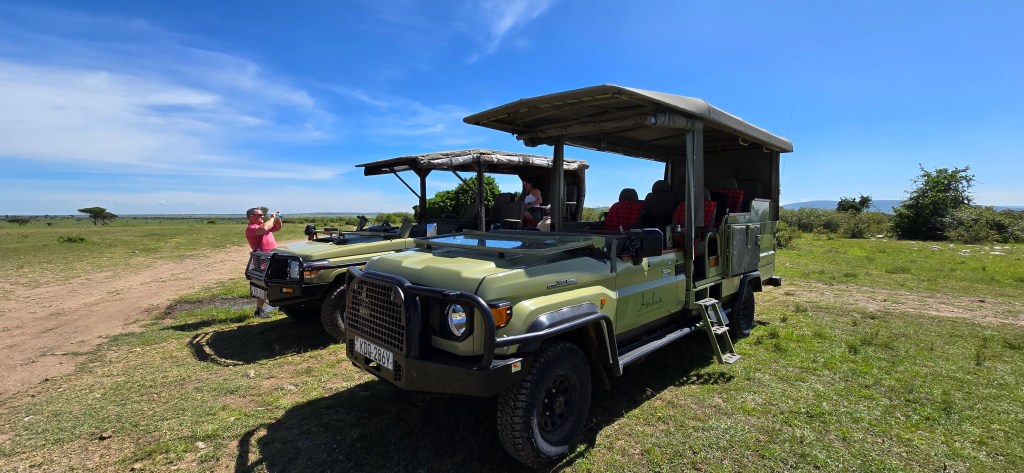
Our first evening game drive delivered encounters that would have made any wildlife enthusiast weak at the knees. We stumbled upon a group of adolescent male lions, their manes not yet fully developed, learning a harsh lesson in savanna hierarchy as they were unceremoniously chased off by a protective herd of buffalo. The balance of power in the wild is ever-shifting, and we had witnessed a moment where the young predators were reminded of their place.
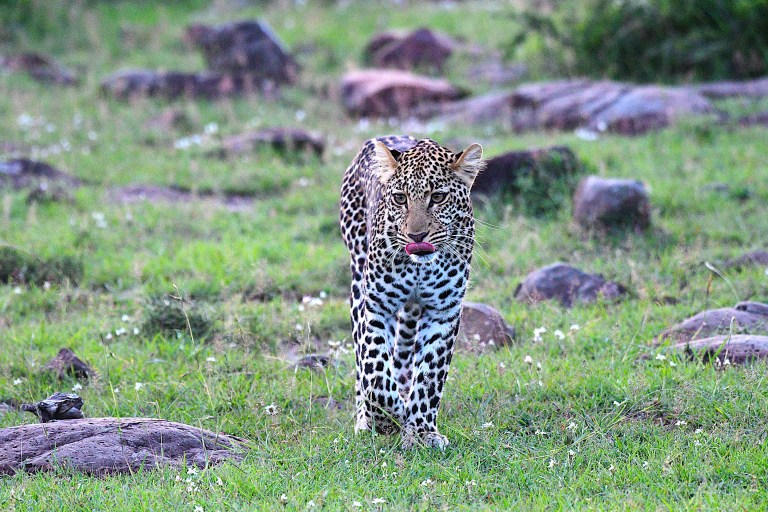
As the golden hour cast its magical light across the landscape, we experienced what would become one of the highlights of the trip—a female leopard moving silently from thicket to thicket with her adolescent daughter. The younger cat was learning the skills she would need to survive, mirroring her mother’s movements with a mixture of playfulness and precision. We sat in awed silence, privileged witnesses to this intimate family moment.

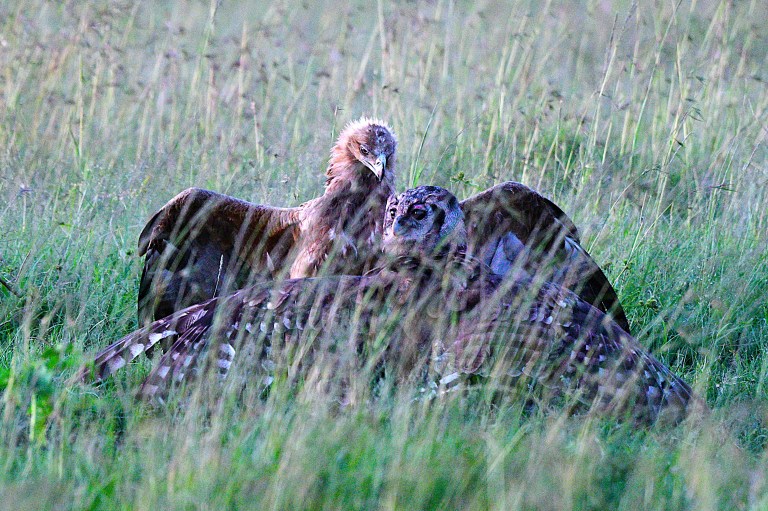
The second morning began with a spectacle of aerial combat that left us breathless. Two eagle owls, talons clutching fresh prey, found themselves under attack from three determined eagles. The battle played out above us—wings beating frantically, fierce calls piercing the morning air—until the owls, overwhelmed by the larger predators, abandoned their catch and fled for their lives with the eagles in hot pursuit. Nature’s theater had opened its curtains for the day, and we were the sole audience.

As the day progressed, we encountered rafts of hippos submerged in muddy waters, their eyes and nostrils creating rippling patterns on the surface. Nearby, a pair of crocodiles basked motionless on the riverbank, prehistoric survivors playing the long game. The vibrant colors of bee-eaters flashed as they darted after insects, their beauty a stark contrast to the intensity of the lions we spotted later, the graceful silhouettes of giraffe against the horizon, and a lone hyena trotting purposefully with a wildebeest leg clamped firmly in its powerful jaws—a reminder of last night’s unseen drama.


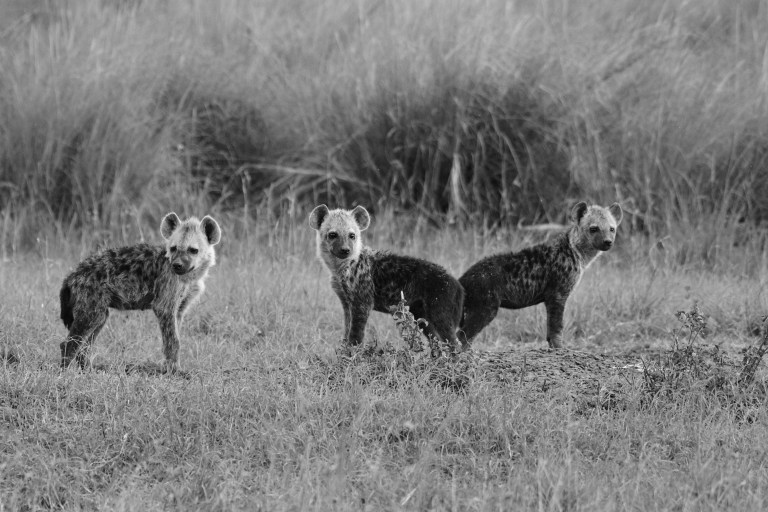
The evening brought us to a hyena den where cubs tumbled and played under their mother’s watchful eye, challenging our preconceptions about these complex and intelligent creatures. As the sun began its descent, we found ourselves witnesses to one of nature’s most intimate rituals—a mating pair of lions calling to each other across the golden grass, their deep rumbles vibrating through the vehicle and into our bones. Their eyes, turned amber in the fading light, seemed to hold secrets as ancient as the savanna itself.

Our third day began with the quintessential African sunrise—the sky painted in impossible shades of orange and pink as we came upon a pride of lions sprawled by a track near their favourite thicket, their bodies stretched languidly across the warming earth. Secretary birds stalked through the grass on impossibly long legs, their formal appearance at odds with their deadly efficiency as snake hunters.


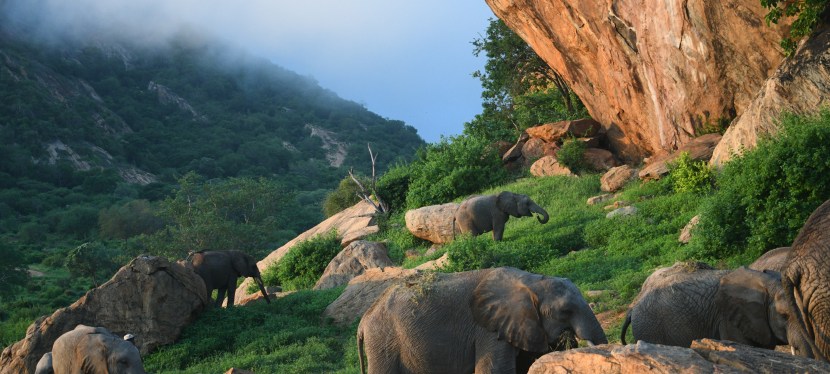
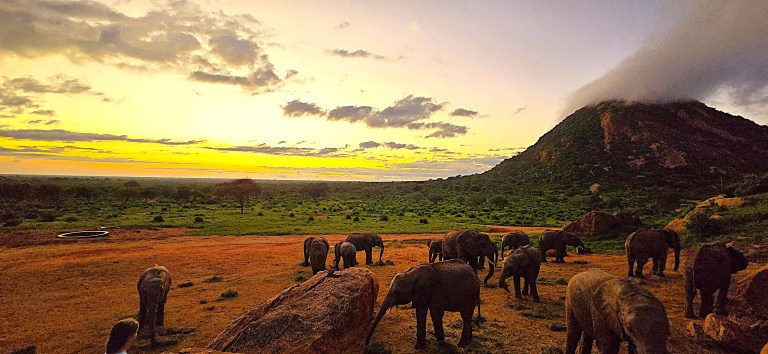
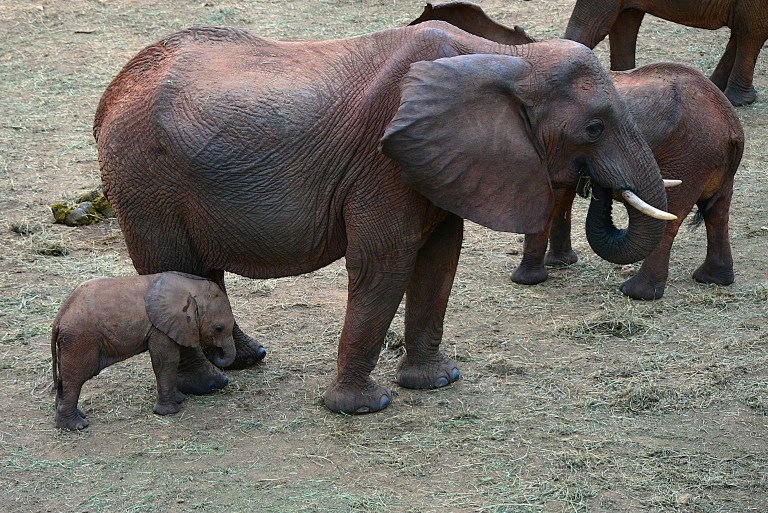
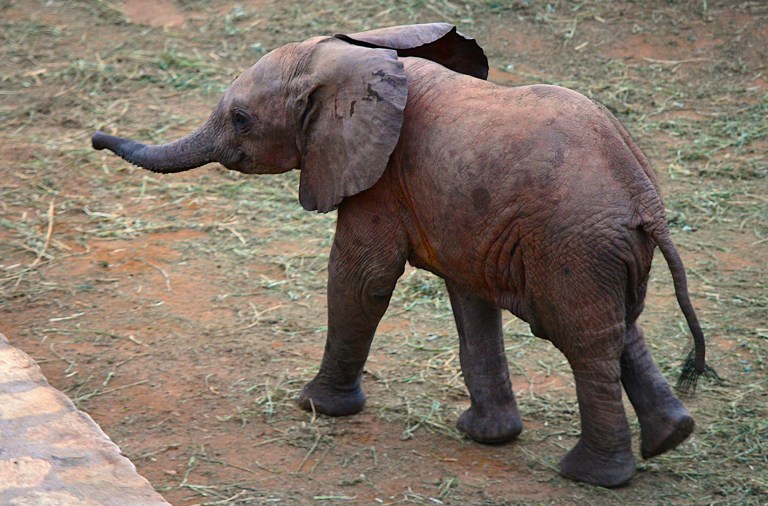
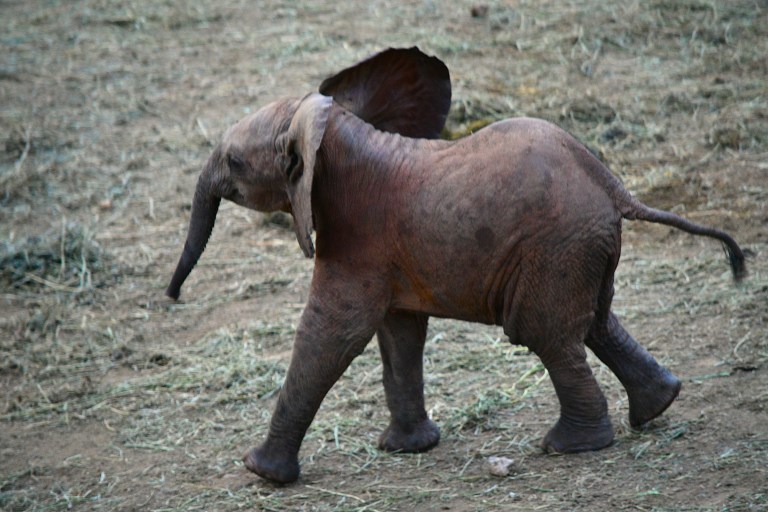
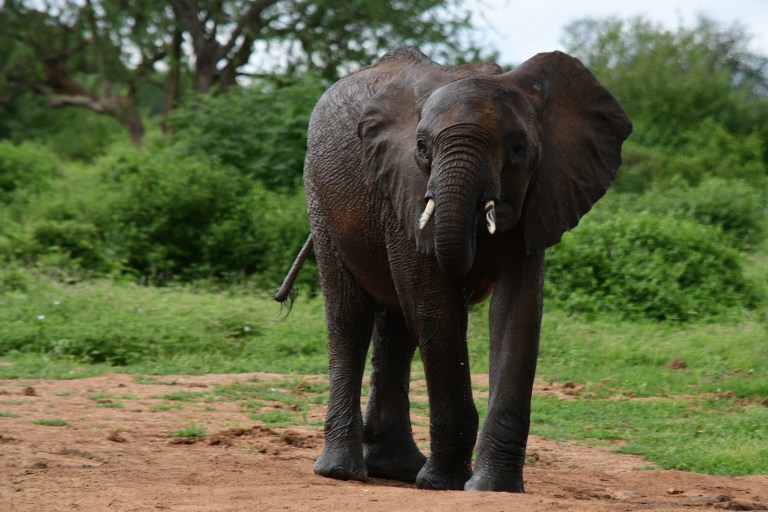
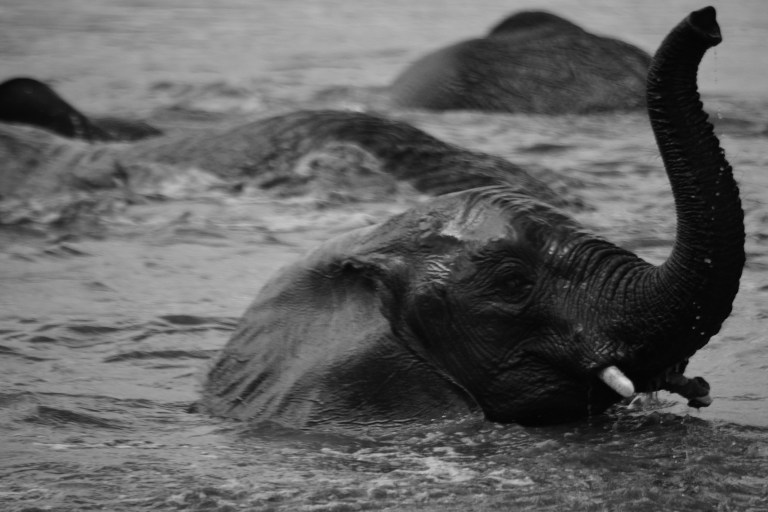
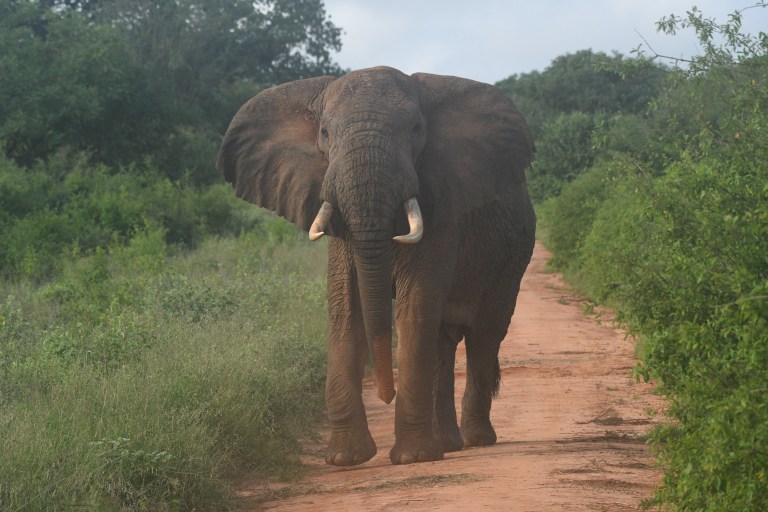
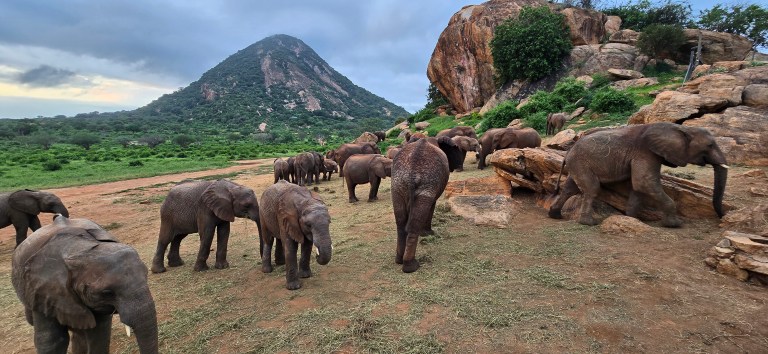
Nearby, zebras created clouds of dust as they rolled and twisted in communal dust baths, their black and white patterns temporarily muted by the ochre soil. Giraffes stretched their necks toward the highest branches, their long blue-black tongues wrapping around tender acacia leaves. Young topi pranced near their watchful parents, and wildebeest herds moved in unison across the plains. Elephants appeared as if conjured from the landscape itself, moving with surprising silence for creatures of such magnitude.


This morning drive with Andy—just Buffy and me—created a sense of intimacy with the wilderness that would become one of my most treasured memories.


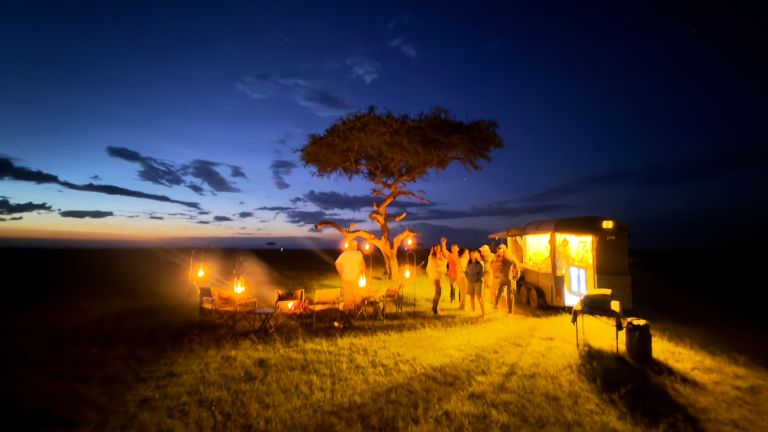
The evening reunited our group of six, the shared experiences of the past days having forged connections that felt oddly timeless. We followed a coalition of lions as they patrolled the edge of a dense thicket, their movements purposeful and coordinated. As darkness approached, our guides surprised us with a mobile bar set up in a clearing, sundowner drinks in hand as the African sky performed its nightly transformation. The moment called for celebration, and soon we were taking jumping photos against the blazing sunset backdrop—our silhouettes suspended in air, capturing the pure joy that comes from being in a place so wild and beautiful.

On our last morning, the drive to the airstrip delivered one final dramatic scene. A group of young male lions had successfully brought down two warthogs beneath a copse of trees. The kills had occurred directly beneath a troop of baboons, now trapped in the upper branches by the predators below. We watched, fascinated, as individual baboons assessed their chances, gathering courage before making desperate leaps and sprints to safety. Their calculated risk-taking—the momentary freeze followed by explosive movement—was a perfect metaphor for survival in this unforgiving but magnificent ecosystem.


There was something deeply personal about these final hours in the bush, as if Naboisho was sharing its last secrets with us before our departure. As our plane lifted off the airstrip, I looked down at the landscape that had given us so much in so little time. Naboisho isn’t just a destination; it’s a reminder of what this world once was and what we must strive to preserve. In this corner of Kenya, the ancient rhythm of life continues—predator and prey, birth and death, survival and adaptation—a complex tapestry of existence that both humbles and inspires. The memories of dazzling zebras, trumpet-calling elephants, and leopards in golden light will remain long after the dust of Africa has been washed from my clothes. Naboisho doesn’t just offer safari experiences; it offers transformation, perspective, and a profound connection to the wild heart that beats within us all.



















 Deano's World